

Tag

Productivity

Woman smiling holding glass mug sitting beside table with macbook

Finding the right routine as a freelancer can feel impossible at first. Without a traditional workplace structuring your day, it’s easy to drift between tasks or fall into irregular working patterns. But creating a routine isn’t about rigid rules — it’s about building gentle rhythms that support your creativity. When your workflow feels natural rather than forced, your output becomes more consistent and far more satisfying.

The first step is identifying your natural creative windows. Some freelancers do their best thinking at sunrise, while others feel most productive at night when the world quiets down. Spend a week tracking when you feel most alert, most tired, and most capable of deep focus. You might be surprised by the patterns that emerge. Use that data to anchor your most demanding tasks at the times you naturally flourish.

Woman smiling holding glass mug sitting beside table with macbook
This is a caption

Another cornerstone of a successful routine is batching similar types of work. Instead of bouncing between emails, content creation, admin tasks, and client communication, try grouping tasks by energy level. If you schedule all communication at one time, for example, you’re less likely to get derailed during a creative sprint. Your brain thrives on consistency, and batching helps minimize decision fatigue.

Don’t forget to incorporate movement breaks. Freelancers often underestimate how much physical posture affects mental clarity. A ten-minute stretch session, a short walk outside, or even gentle desk yoga can completely reset your mood. These small pauses keep burnout at bay while boosting creativity and problem-solving abilities.

Finally, give yourself permission to adjust your routine regularly. Freelancing evolves — seasons change, workloads shift, and personal circumstances fluctuate. Think of your routine as a living system rather than something fixed. When you accept that it will grow with you, maintaining it becomes far easier and far more enjoyable.

A sustainable routine is one that supports both your work and your well-being. When you honor your natural rhythms and build gentle structure around them, freelancing feels less chaotic and far more empowering.
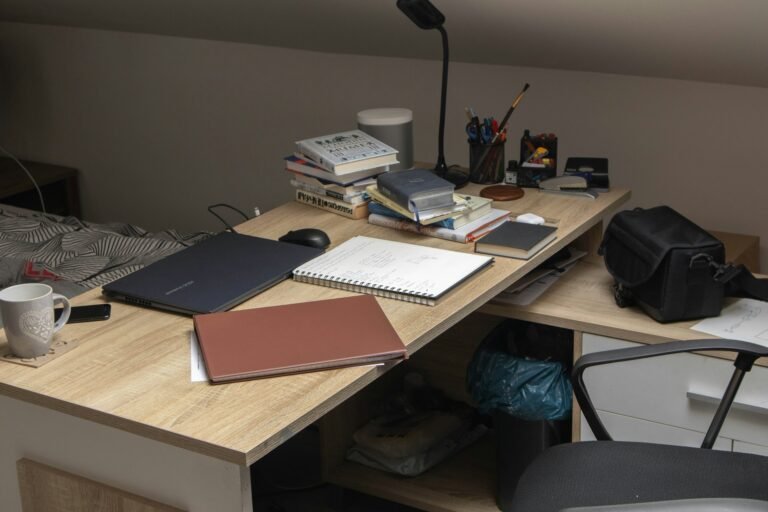
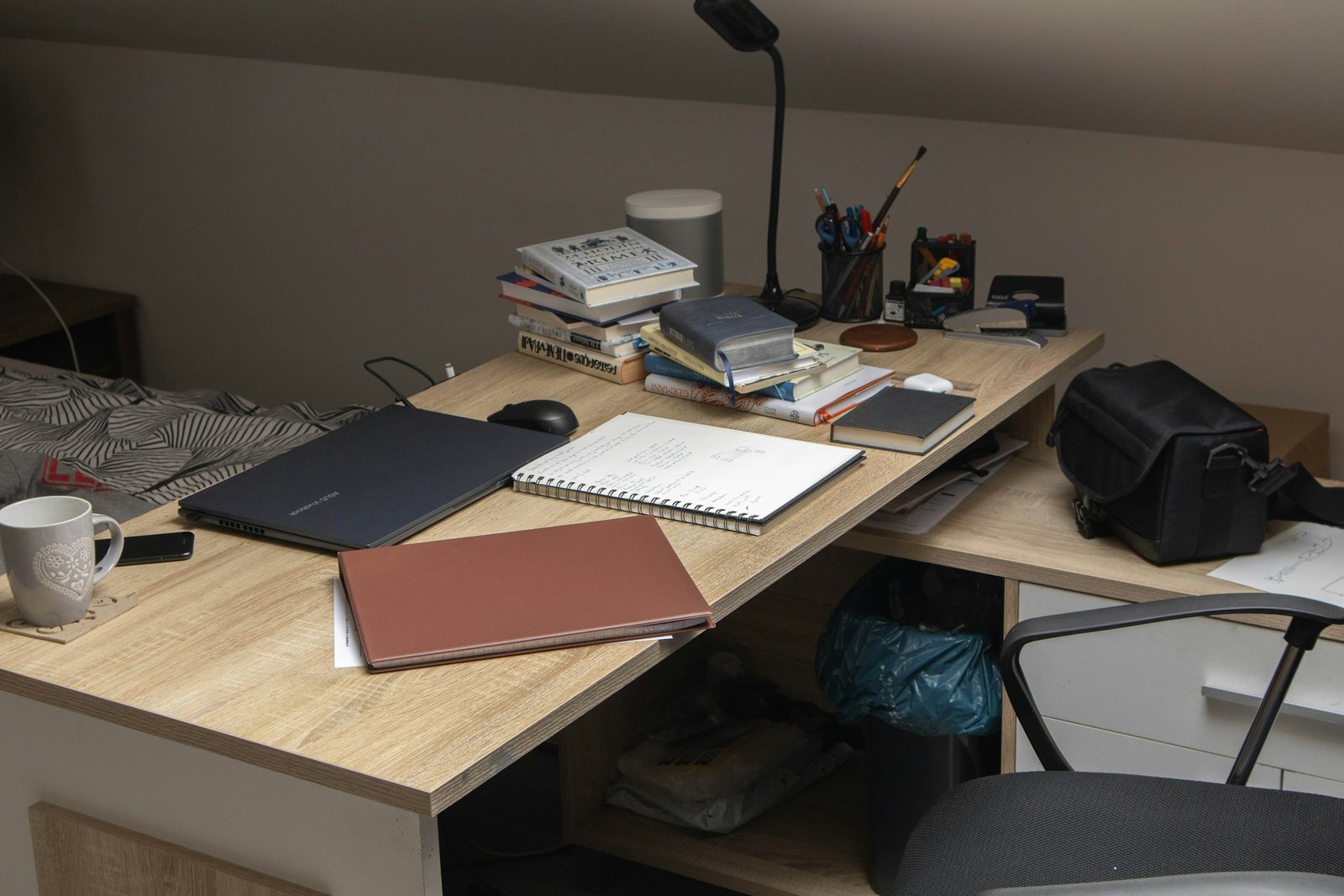
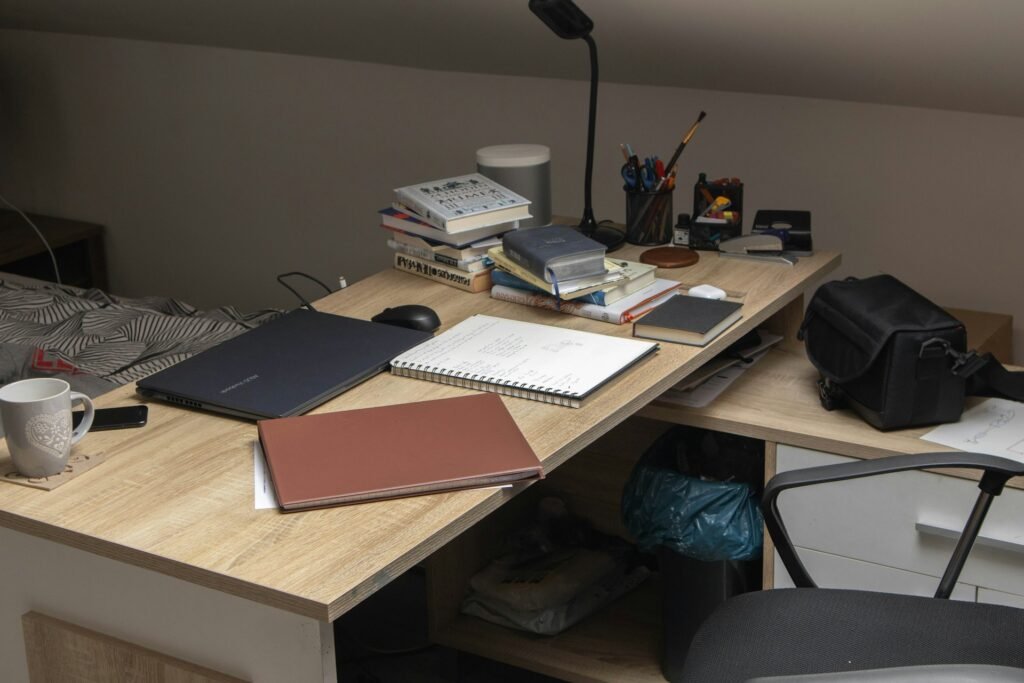
A wooden desk topped with a laptop computer

As creators, our workspaces absorb our energy—the busier our days get, the more clutter and chaos tend to accumulate. One of the most effective ways to maintain a creative flow is to practice a weekly workspace reset ritual. Not only does this keep your area functional, but it also helps you reconnect with your intentions for the week ahead.

Start your ritual by clearing your desk entirely. Remove everything: tools, notebooks, wires, empty cups, and loose papers. As the surface empties, you’ll notice your mind feeling lighter as well. Wipe the area down with a gentle cleaner or dusting cloth to give your workspace a soft, fresh beginning.

A wooden desk topped with a laptop computer
This is a caption

Next, organize intentionally. Sort your tools and supplies into categories: what you use daily, weekly, occasionally, or rarely. Store only your most frequently used items within arm’s reach. Everything else can go in drawers or neatly labeled containers. This step alone can dramatically improve how smoothly you transition into creative sessions.

This is also the perfect time to rearrange your inspiration board or mood wall. Update it with new color palettes, textures, photos, sketches, or quotes that align with your current projects. Inspiration changes with the seasons, and your creative prompts should evolve too.

Once everything is in order, add something sensory. Light a candle, diffuse essential oils, or place a fresh flower in a small vase. Engaging your senses can transform work into a soothing ritual, especially if you pair it with soft background music or nature sounds.

To close your reset, sit down with your planner and set a creative intention for the upcoming week. It could be as simple as “show up consistently,” “experiment without pressure,” or “finish one meaningful piece.” Your workspace is ready—and so are you.

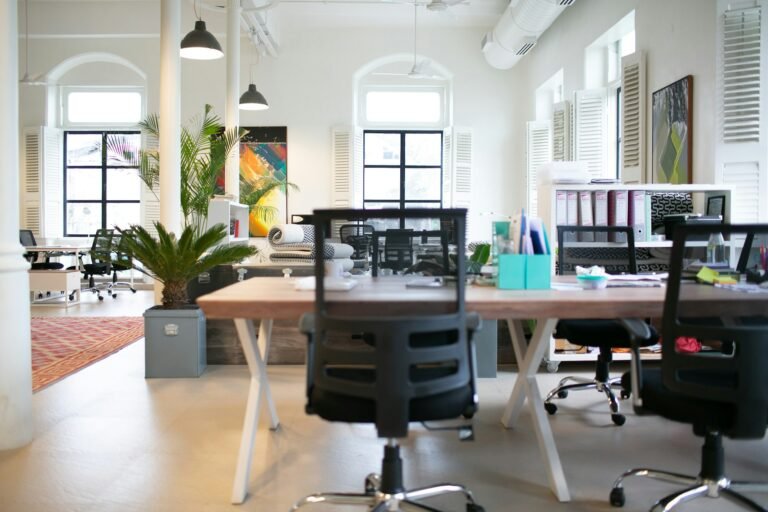
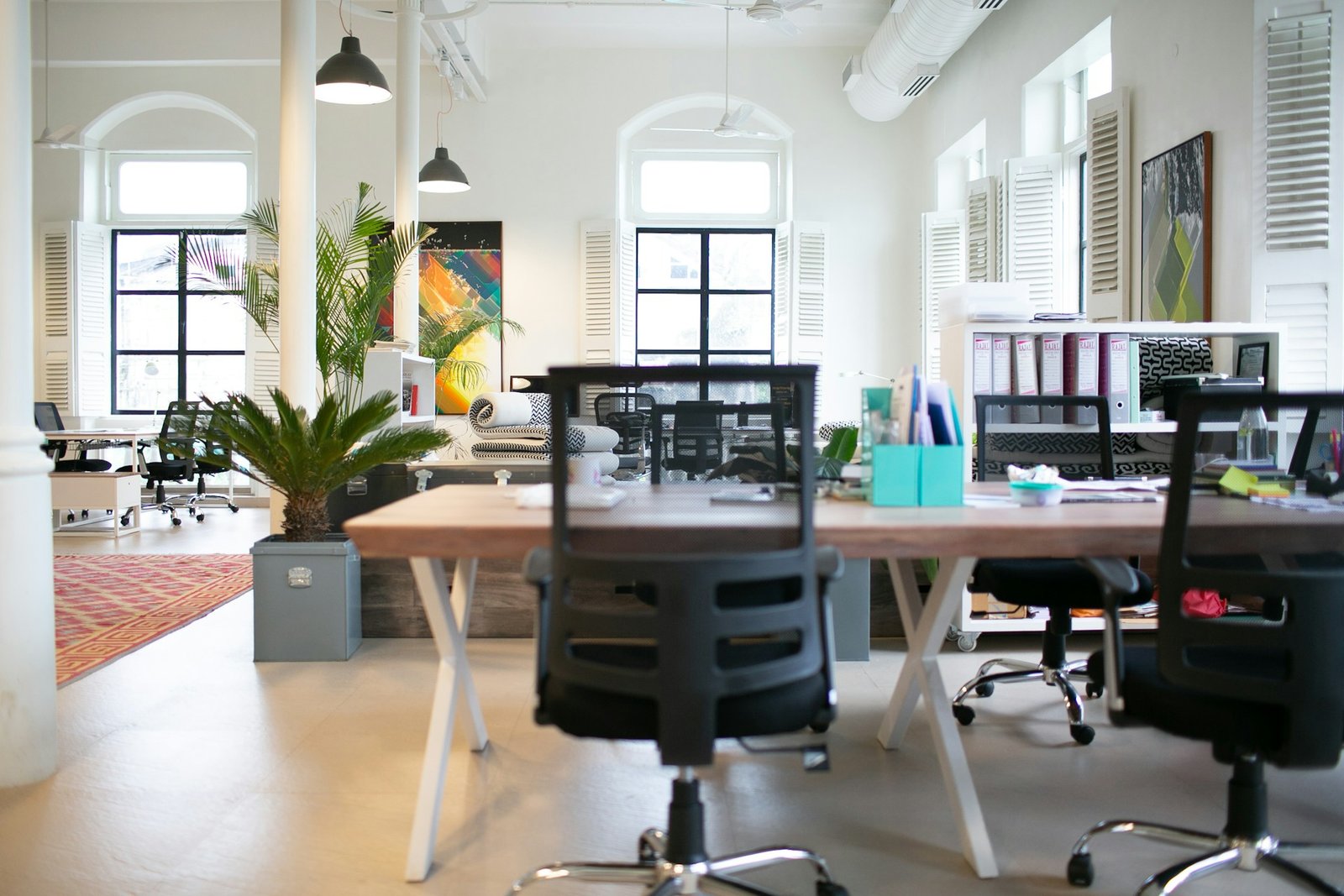
Chairs beside table

Whether you’re a full-time freelancer or juggling creative projects with other responsibilities, your workspace plays a major role in keeping you focused and balanced. A well-designed environment can increase productivity, reduce stress, and help you shift smoothly between tasks. Creating a space that supports your workflow doesn’t have to be complicated—it just requires thoughtfulness.

Begin by mapping out the kinds of work you do. Do you sketch, sew, write, photograph, or edit videos? Identify your core activities and assign a small zone or “station” for each. Even in tiny rooms, you can divide space with trays, rolling carts, or removable tabletop organizers that allow you to shift tasks without losing momentum.

Chairs beside table
This is a caption

Consider ergonomics next. As freelancers, many of us spend hours at a desk, and comfort matters. Investing in an adjustable chair, raising your monitor to eye level, or using a supportive wrist rest can prevent tension and keep you creating longer without discomfort. Your body is your most important creative tool—treat it kindly.

Ambiance is equally important. Freelancers often work alone, so creating a positive emotional environment can help anchor your day. Soft background music, a scented candle, or a calming color palette can transform your workspace from “just a desk” into a sanctuary that supports your creative energy and focus.

To help manage the unpredictability of freelancing, incorporate organization systems that reduce stress. A magnetic board for deadlines, a digital calendar for client work, or a color-coded notebook system can bring order to your creative life. When everything has a place, you spend less time searching and more time making progress.

Finally, give yourself a visual reminder of why you do what you do. This might be a framed quote, a photo of something you dream of building, or a small charm that symbolizes courage. Freelance life can be challenging—but a workspace filled with meaning can keep you grounded and inspired even on the busiest days.