
Tag

Minimalism

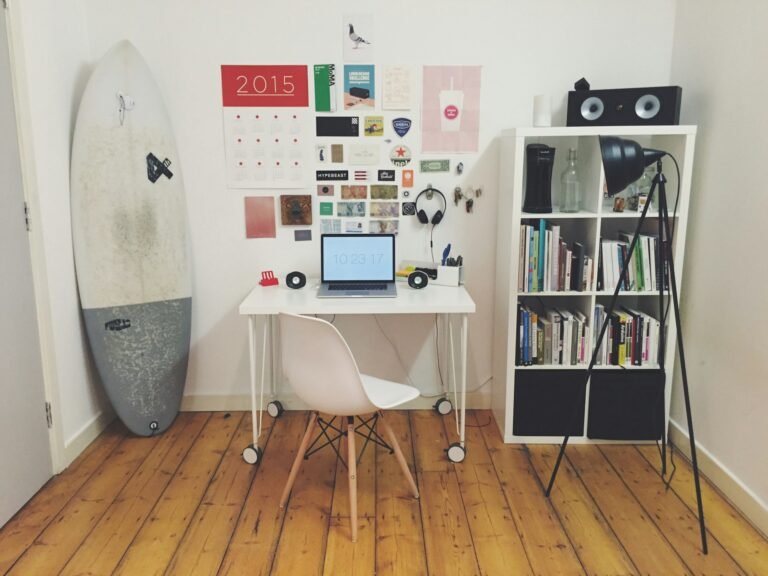
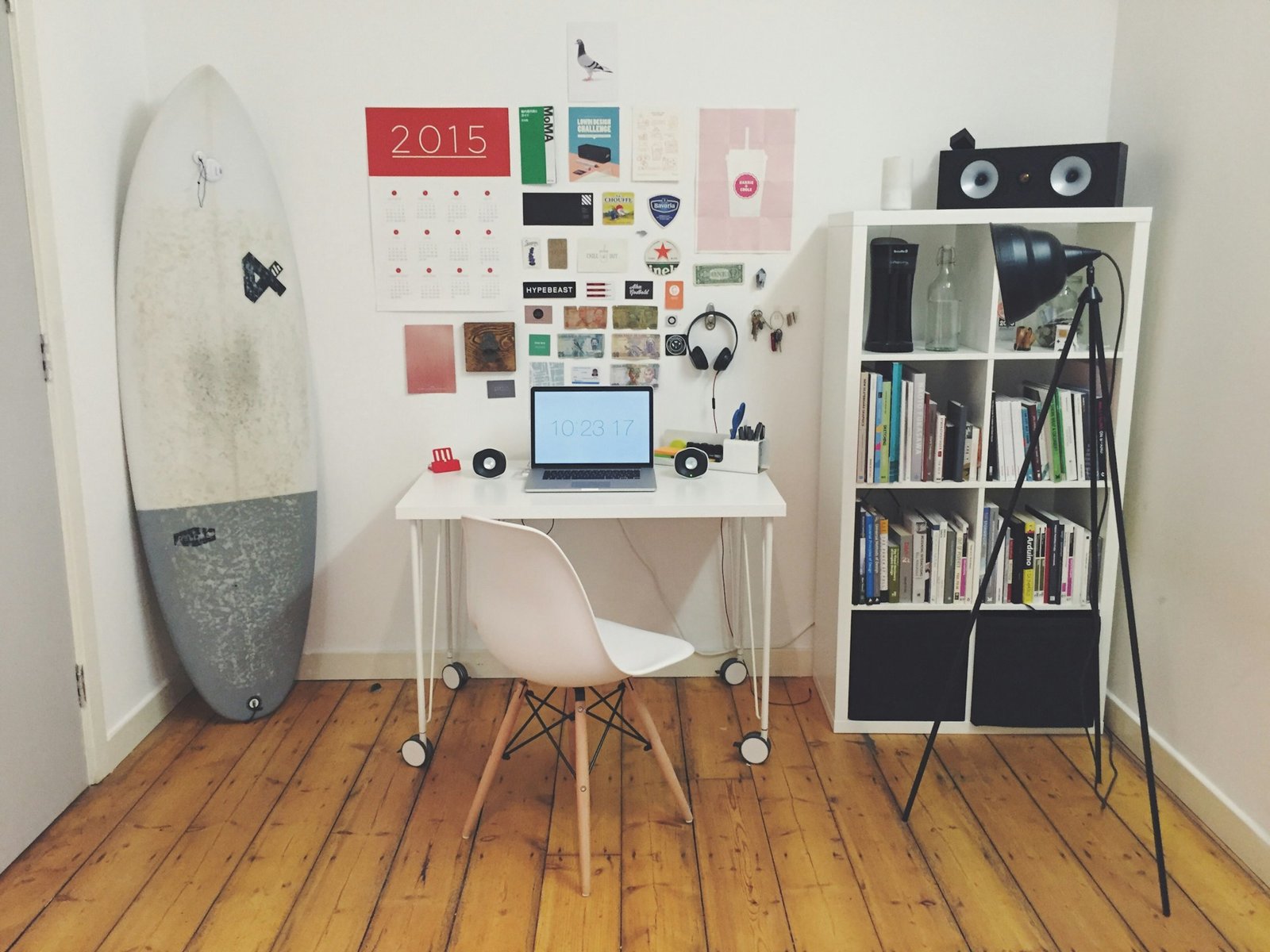
White surfboard beside white wall white wooden cube bookshelf inside the room

For years, my desk was purely functional — a surface for my laptop, a mug, and a rotating pile of notebooks. But lately, I’ve been craving a workspace that not only supports my tasks but genuinely inspires me to create. So I decided to transform my desk into a creativity-first environment, and the change has been remarkable.

The first thing I did was clear visual clutter. I removed anything that didn’t serve a purpose or spark joy. The empty space alone made the area feel calmer, more inviting. Once I had a blank canvas, I started adding items intentionally: a small vase with dried flowers, a ceramic tray for my essentials, and a warm desk lamp that softened the mood instantly.
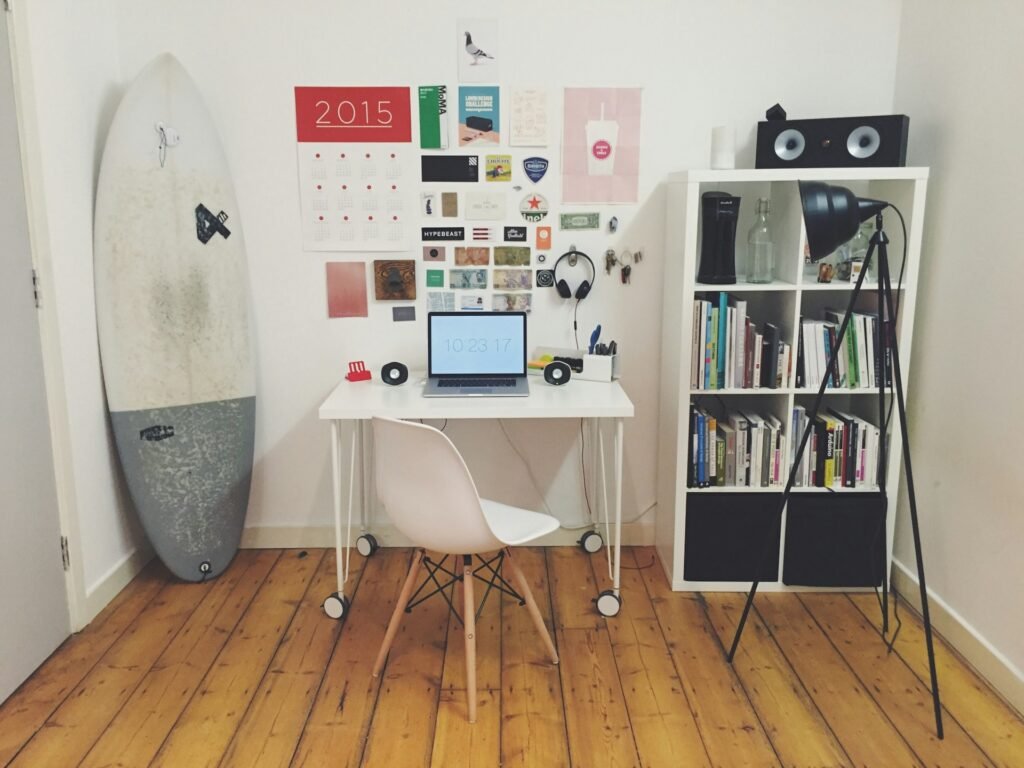
White surfboard beside white wall white wooden cube bookshelf inside the room
This is a caption

Next, I gave my tools a proper home. Instead of keeping pens, scissors, and markers scattered everywhere, I arranged them in little containers that matched my aesthetic. I even created a “project box” — a single spot where in-progress crafts live so they don’t drift into chaos across the desk.

One of the most impactful changes was adding inspiration boards. I made two versions: a cork board for physical elements like fabric swatches and printed quotes, and a magnetic board for quick mood-shifts depending on the project I’m working on. This keeps my creative energy flowing without overwhelming my eyesight.

Lighting also played a huge role. Natural light is ideal, but I added a soft LED light bar under my shelf to mimic daylight for late-night crafting. It keeps the room warm and peaceful instead of harsh and clinical.

Finally, I added personal touches: a favorite candle, a framed photo that makes me smile, and a few pieces of my own handmade art. Suddenly my desk wasn’t just a workstation; it became a sanctuary for imagination.

If you’re craving more creativity in your life, start by transforming the space where your ideas begin. When your workspace feels like a place of inspiration, your creativity follows effortlessly.
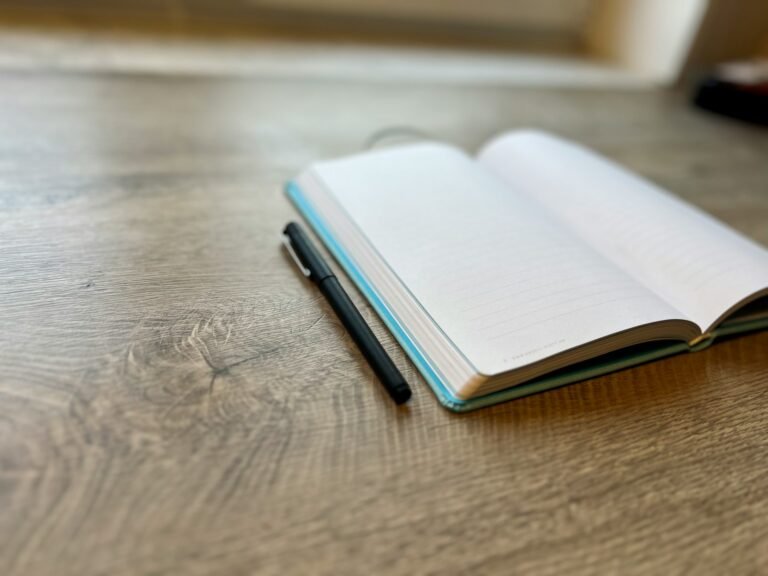
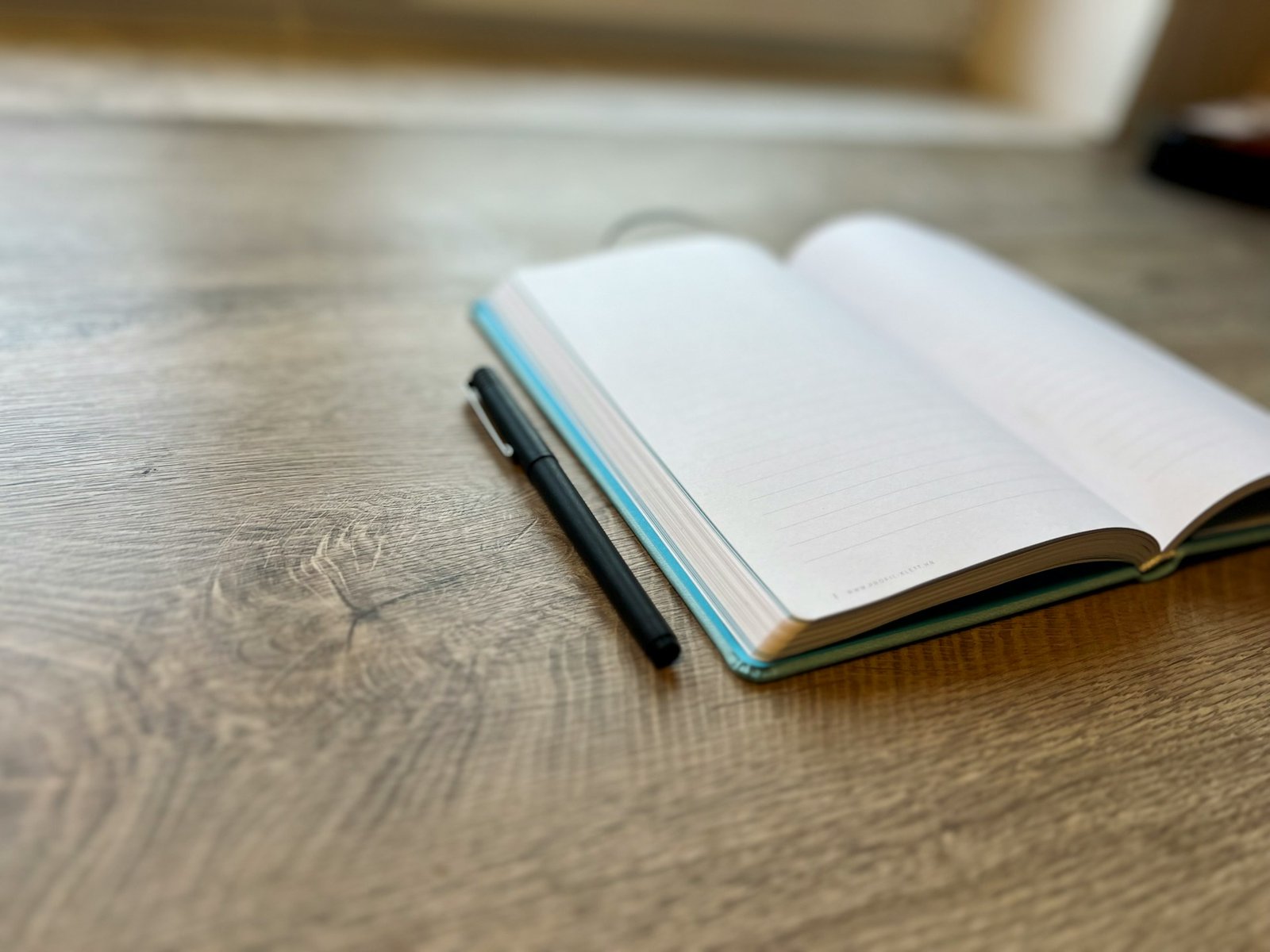
A pen on a book

Last year, during a season when I felt creatively stuck, I bought a simple, unassuming notebook. Nothing fancy—just a soft beige cover and thick, slightly textured pages. I didn’t realize then how important it would become. At first, I wasn’t even sure what to write in it. My perfectionism kept whispering that each page needed to be meaningful, polished, or Instagram-ready. But something urged me to begin anyway.

I started by writing one sentence each day—just one. Some days it was a thought I couldn’t shake, a line from a dream, or even a worry. Other days it was a small victory: “I painted for 10 minutes today,” or “I went for a walk and noticed a blue door I’d never seen.” That little notebook became a container for everything I felt, thought, or wished for.

A pen on a book
This is a caption

Over time, my entries grew. That one sentence became three, then five, then entire pages of ideas, sketches, and reflections. I realized I had created a space where creativity didn’t have to be good—it only had to be honest. And that small shift changed everything. The pressure lifted, and playfulness returned. I felt like myself again.

This notebook became my refuge when projects felt overwhelming. It grounded me when doubt crept in. Most importantly, it reminded me that creativity begins with showing up—not with perfection. Some pages are messy, others are beautifully written. But all of them matter, because they’re pieces of my story.

If you’ve been feeling blocked or uninspired, try starting your own “imperfect notebook.” No expectations, no rules. Just a safe place for thoughts to land. You might be surprised by how much inspiration hides in simplicity.

Sometimes, all you need is a blank page and permission to be imperfect.