Tag

Creativity

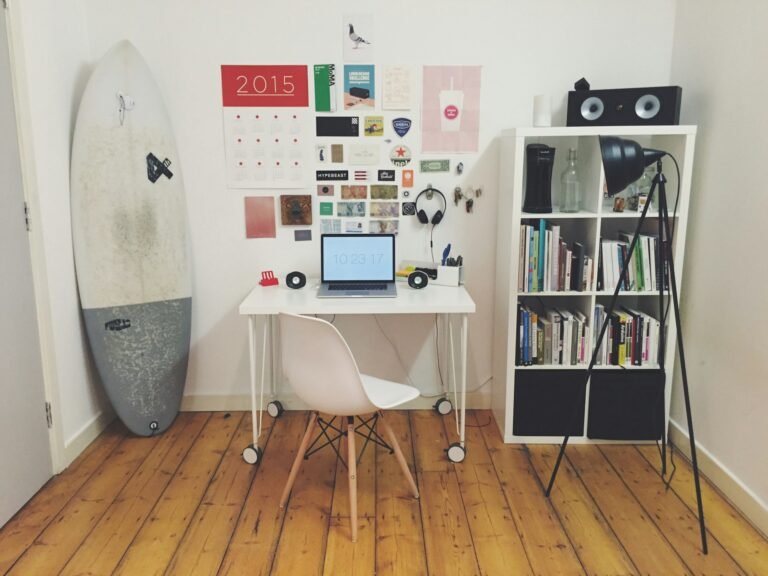
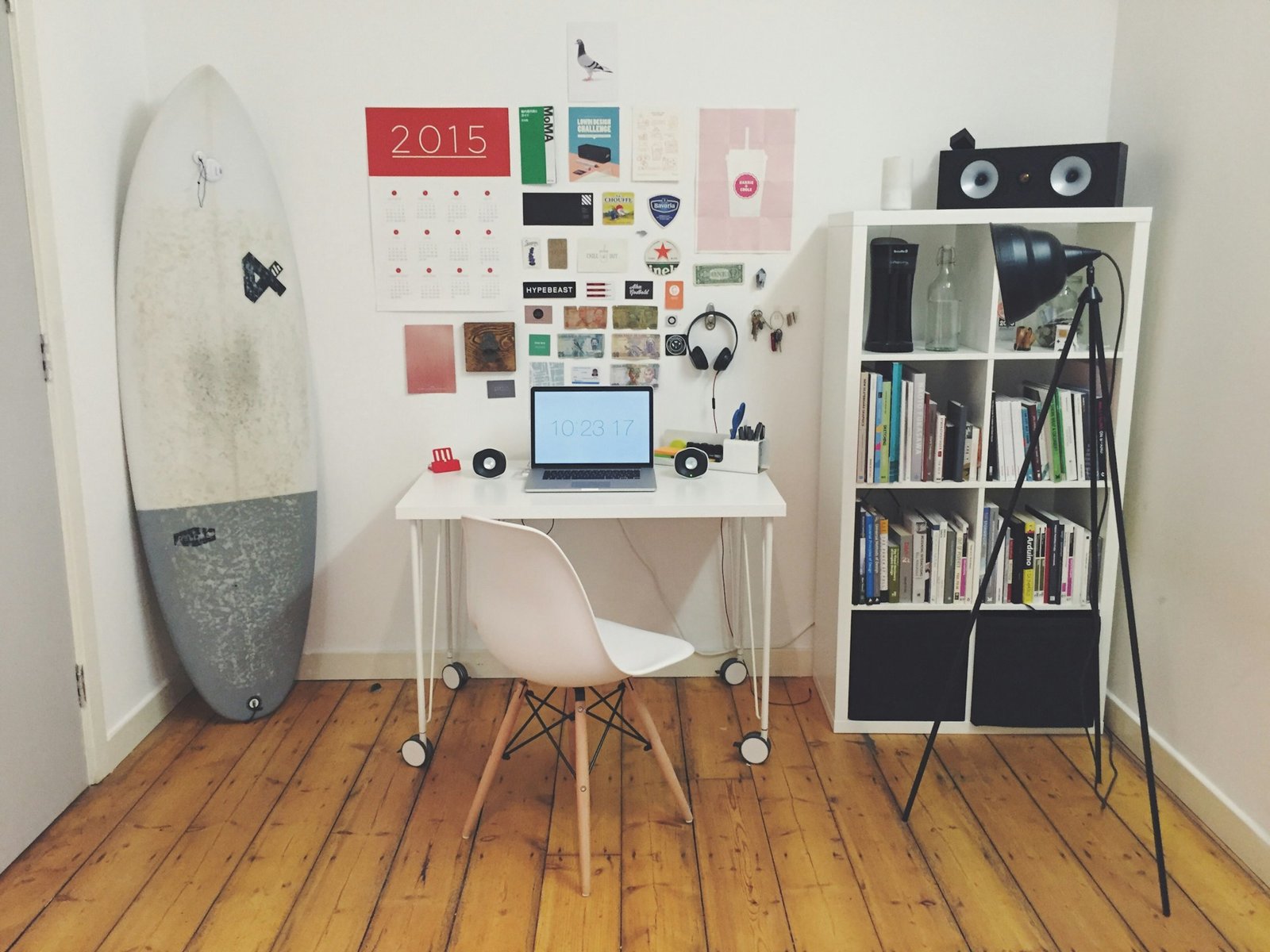
White surfboard beside white wall white wooden cube bookshelf inside the room

For years, my desk was purely functional — a surface for my laptop, a mug, and a rotating pile of notebooks. But lately, I’ve been craving a workspace that not only supports my tasks but genuinely inspires me to create. So I decided to transform my desk into a creativity-first environment, and the change has been remarkable.

The first thing I did was clear visual clutter. I removed anything that didn’t serve a purpose or spark joy. The empty space alone made the area feel calmer, more inviting. Once I had a blank canvas, I started adding items intentionally: a small vase with dried flowers, a ceramic tray for my essentials, and a warm desk lamp that softened the mood instantly.
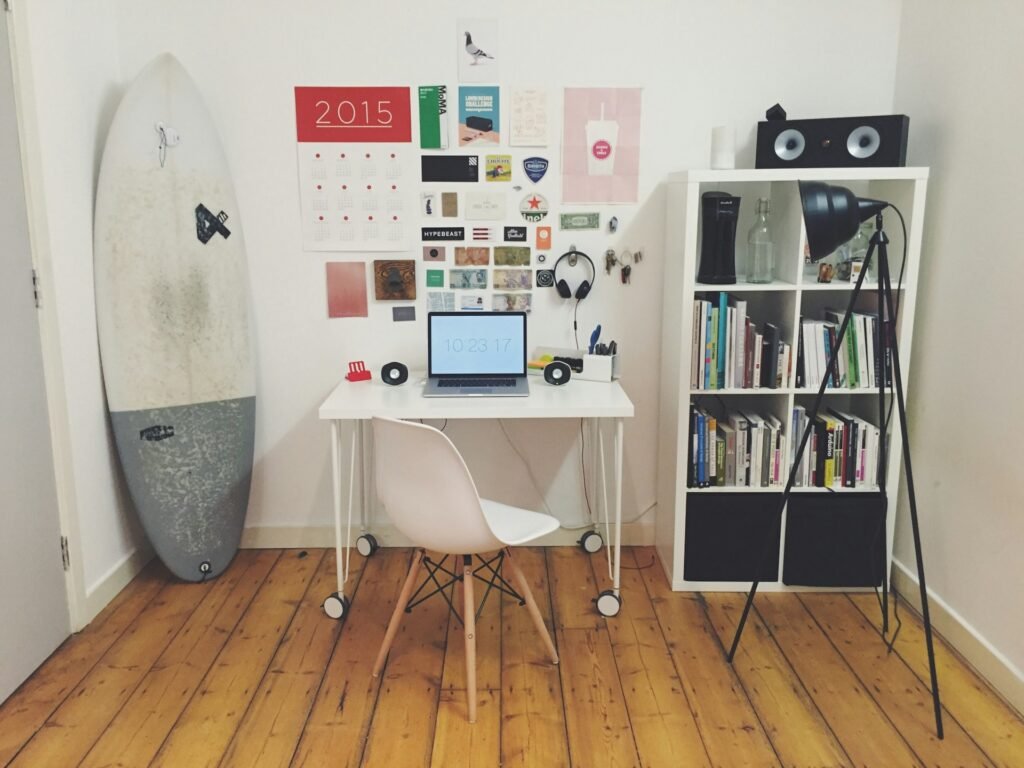
White surfboard beside white wall white wooden cube bookshelf inside the room
This is a caption

Next, I gave my tools a proper home. Instead of keeping pens, scissors, and markers scattered everywhere, I arranged them in little containers that matched my aesthetic. I even created a “project box” — a single spot where in-progress crafts live so they don’t drift into chaos across the desk.

One of the most impactful changes was adding inspiration boards. I made two versions: a cork board for physical elements like fabric swatches and printed quotes, and a magnetic board for quick mood-shifts depending on the project I’m working on. This keeps my creative energy flowing without overwhelming my eyesight.

Lighting also played a huge role. Natural light is ideal, but I added a soft LED light bar under my shelf to mimic daylight for late-night crafting. It keeps the room warm and peaceful instead of harsh and clinical.

Finally, I added personal touches: a favorite candle, a framed photo that makes me smile, and a few pieces of my own handmade art. Suddenly my desk wasn’t just a workstation; it became a sanctuary for imagination.

If you’re craving more creativity in your life, start by transforming the space where your ideas begin. When your workspace feels like a place of inspiration, your creativity follows effortlessly.
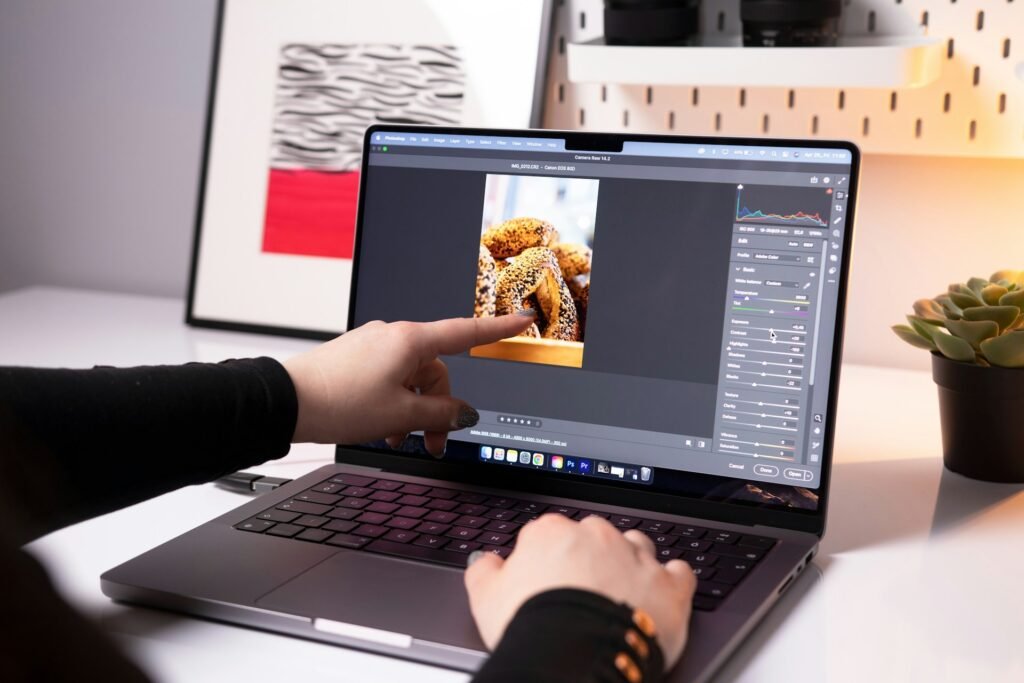
A person sitting in front of a laptop computer

Starting my journey as a creative freelancer felt like stepping into both freedom and uncertainty at the same time. I had no idea what to expect — only that I wanted to build a work life that allowed space for creativity, flexibility, and meaning. Looking back on my first year, I’ve gained lessons that I wish someone had told me earlier.

One of the biggest surprises was how much of freelancing is emotional rather than logistical. Managing self-doubt, motivation, and imposter syndrome was just as important as managing invoices and deadlines. The emotional rollercoaster is real, but learning to handle it made me stronger and more confident.

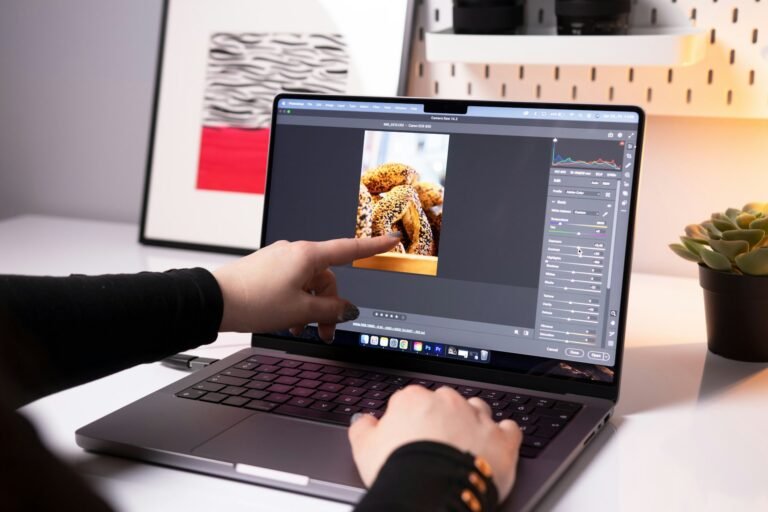
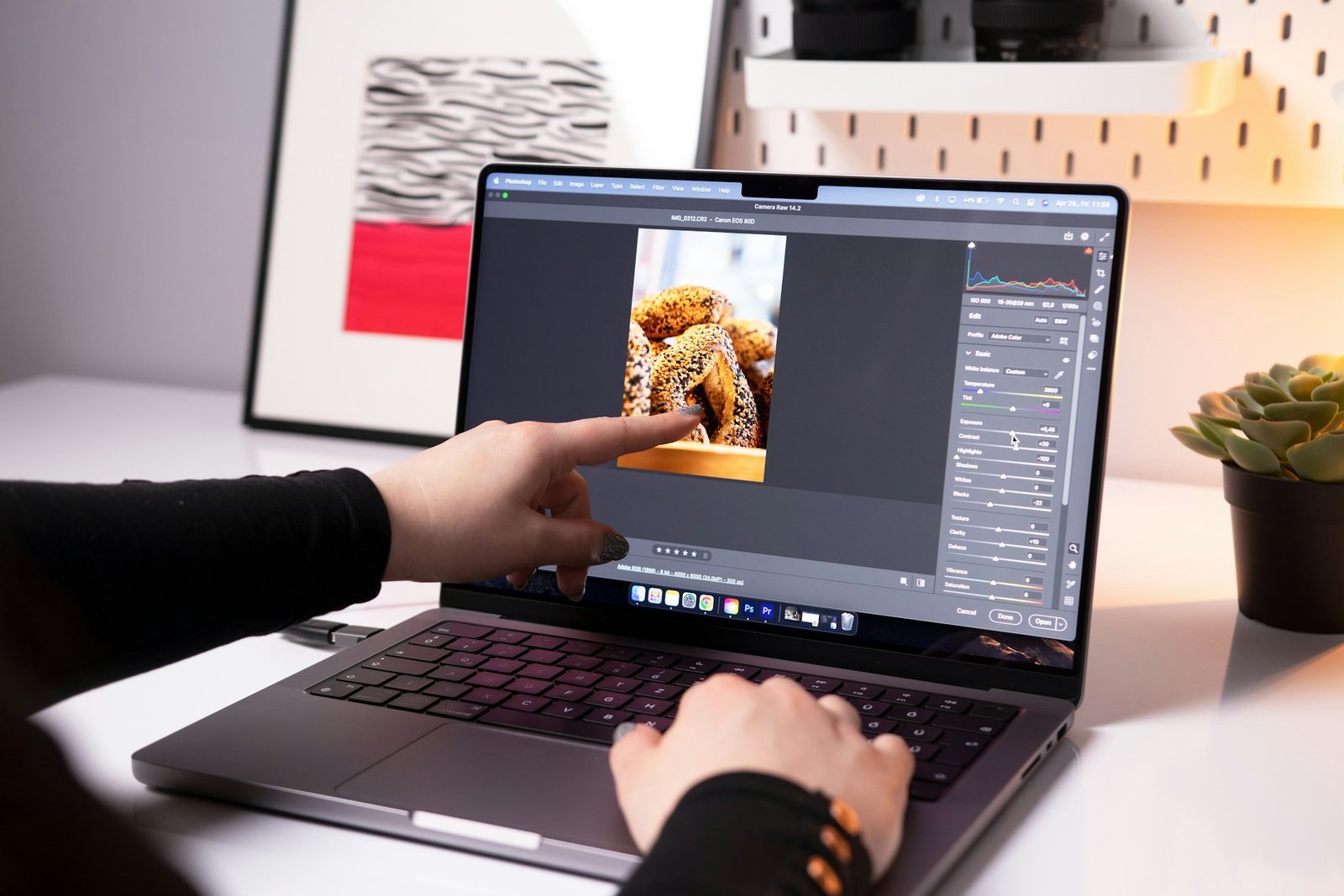
A person sitting in front of a laptop computer
This is a caption

I also learned that boundaries are non-negotiable. Early on, I said yes to everything, thinking it would help me grow faster. Instead, it nearly burned me out. Now, I choose projects that align with my values and creative strengths — and the quality of my work (and my life!) is infinitely better.

Organizing my schedule became another essential habit. I started using themed workdays: one day for admin, one for creative work, one for planning, etc. This removed the constant mental switching that used to drain my energy. It helped me work faster while still feeling grounded.

Networking also proved far less intimidating than I expected. Instead of treating connections like transactions, I approached them like friendships. A simple conversation on social media, a friendly reply to an email, or thanking someone for their work led to opportunities I never anticipated.

But my favorite lesson was this: freelancing gives you permission to build a life that reflects who you are. You’re allowed to rest, to dream, to pivot, to fail, and to try again. Your work becomes an extension of your creativity, not a cage that restricts it.

If you’re thinking of stepping into freelancing, know this: it’s a journey of growth, courage, and discovery. And the first year might just teach you more about yourself than any job ever could.

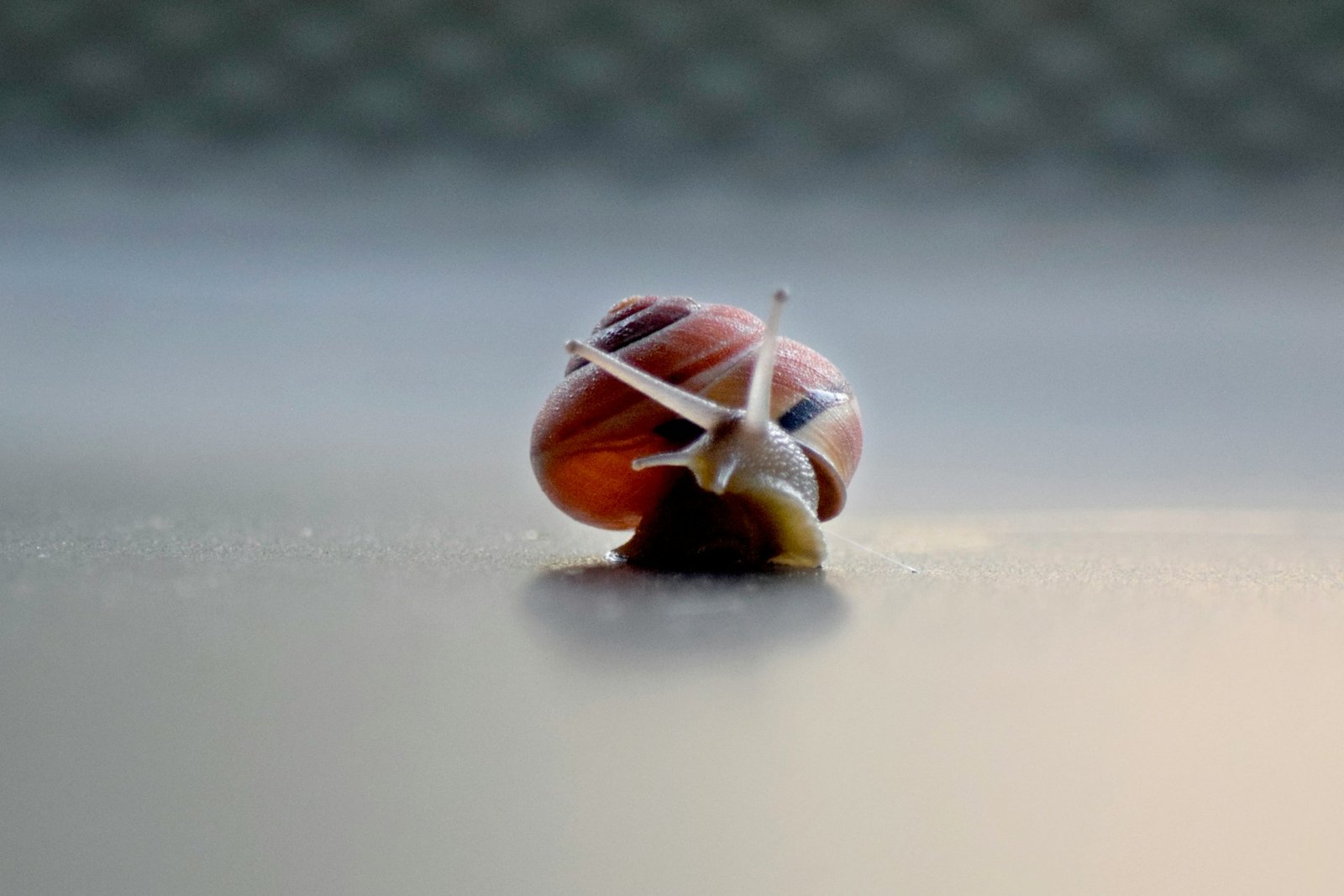
A close-up of a snail on a table

For most of my life, I believed creativity thrived in busy seasons — the “hustle mode,” the late-night bursts of energy, the long to-do lists that kept me always in motion. But over the past year, I’ve shifted into a slower, more intentional lifestyle, and the impact on my creativity has surprised me in the most meaningful ways.

Slow living began with tiny changes: putting my phone in another room, brewing tea without multitasking, and allowing myself quiet mornings instead of rushing straight into tasks. At first, it felt unproductive — like I was giving up precious time. But slowly, I realized I wasn’t losing time at all. I was reclaiming it.

A close-up of a snail on a table
This is a caption

As the pace eased, ideas began to flow more naturally. I started noticing things I had overlooked: the way sunlight hits my notebook, the sound of leaves outside my window, the softness of fabrics as I work on a project. These small sensory details became creative sparks that I never would’ve noticed before.

I also started journaling again — not the structured kind, but simple, honest reflections. Writing about my thoughts helped me understand what inspires me and what drains me. It made me more intentional with the projects I chose and helped me reconnect with the reasons I started creating in the first place.

Another surprising shift was how slow living improved my emotional well-being. When creativity isn’t rushed, it feels less like a performance and more like an expression. I became kinder to myself, less focused on results, and more attuned to the process. And because of that, I’ve produced some of my most meaningful work this year.

If you’ve been feeling drained, overwhelmed, or stuck creatively, try slowing down. Let your inspiration come from presence, not pressure. Creativity doesn’t always need intensity — sometimes it just needs room to breathe.

A pen on a book

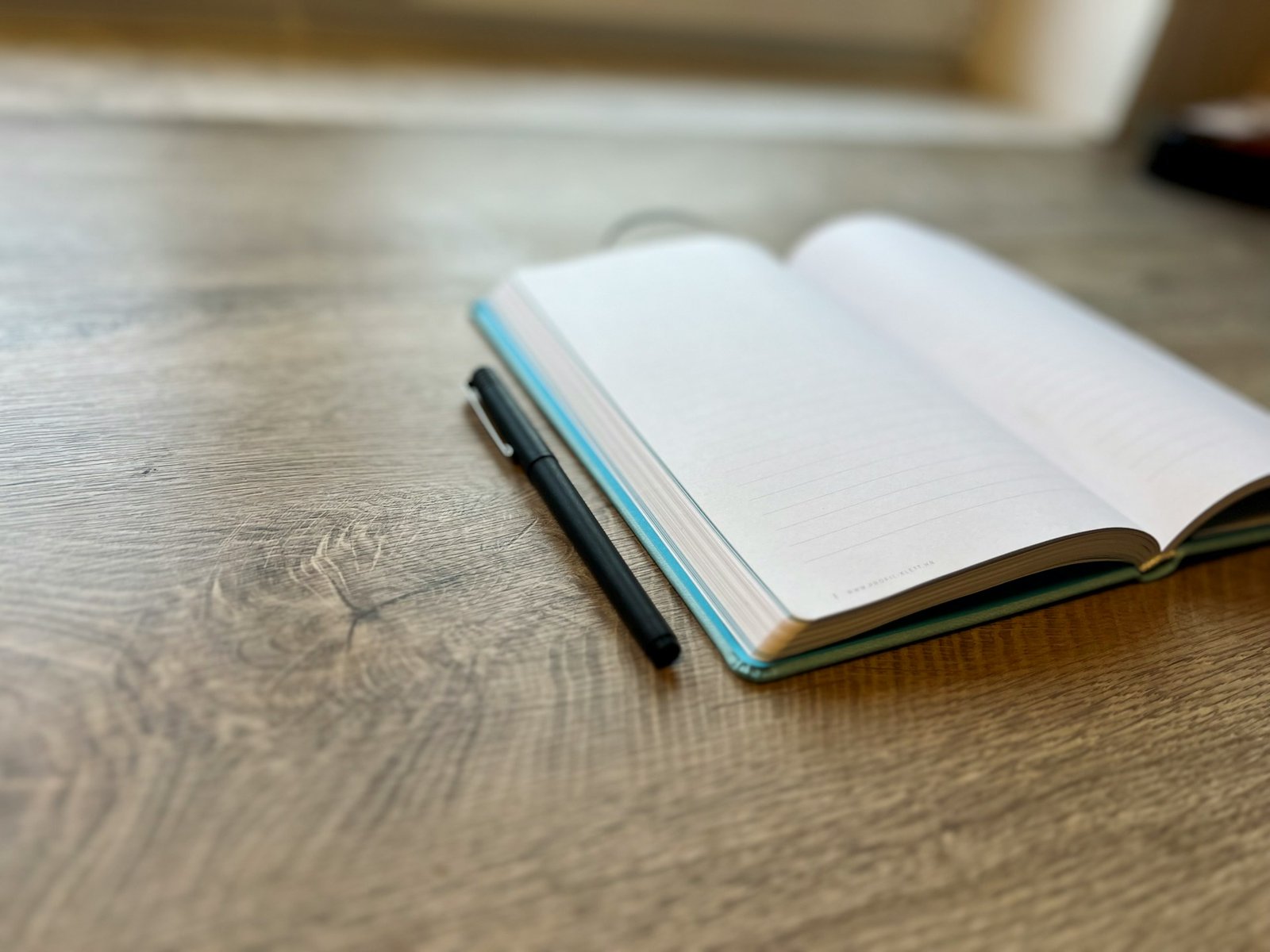
Last year, during a season when I felt creatively stuck, I bought a simple, unassuming notebook. Nothing fancy—just a soft beige cover and thick, slightly textured pages. I didn’t realize then how important it would become. At first, I wasn’t even sure what to write in it. My perfectionism kept whispering that each page needed to be meaningful, polished, or Instagram-ready. But something urged me to begin anyway.

I started by writing one sentence each day—just one. Some days it was a thought I couldn’t shake, a line from a dream, or even a worry. Other days it was a small victory: “I painted for 10 minutes today,” or “I went for a walk and noticed a blue door I’d never seen.” That little notebook became a container for everything I felt, thought, or wished for.

A pen on a book
This is a caption

Over time, my entries grew. That one sentence became three, then five, then entire pages of ideas, sketches, and reflections. I realized I had created a space where creativity didn’t have to be good—it only had to be honest. And that small shift changed everything. The pressure lifted, and playfulness returned. I felt like myself again.

This notebook became my refuge when projects felt overwhelming. It grounded me when doubt crept in. Most importantly, it reminded me that creativity begins with showing up—not with perfection. Some pages are messy, others are beautifully written. But all of them matter, because they’re pieces of my story.

If you’ve been feeling blocked or uninspired, try starting your own “imperfect notebook.” No expectations, no rules. Just a safe place for thoughts to land. You might be surprised by how much inspiration hides in simplicity.

Sometimes, all you need is a blank page and permission to be imperfect.

Woman in black jacket and brown backpack standing on road during daytime

For years, I measured my progress against the people around me—friends, creators online, strangers who seemed to have everything figured out. Comparison wasn’t a conscious habit; it simply became the lens through which I viewed myself. Every success I had felt smaller than someone else’s, and every setback felt like a failure unique to me. It was exhausting, and it chipped away at my confidence slowly but surely.

The shift came when I realized how much this mentality was costing me: my joy, my creativity, and my ability to celebrate my own growth. I began noticing how unfair the comparisons were. I was evaluating my behind-the-scenes against someone else’s highlight reel. No wonder I felt inadequate.

Woman in black jacket and brown backpack standing on road during daytime
This is a caption

So I made a conscious decision to unfollow accounts that triggered comparison, even if they were beautiful or inspiring. I surrounded myself with creators who valued authenticity over perfection. And most importantly, I started celebrating small progress—things nobody else would ever see. A finished chapter. A well-organized workspace. A moment of courage. A day where I rested instead of pushing myself.

This shift didn’t erase comparison entirely, but it changed my relationship with it. Instead of letting it drain my energy, I used it as a mirror: Why do I feel this way? What does this desire reveal? Those questions helped me understand myself better rather than punish myself.

Looking back, I realized that my journey has never needed to look like anyone else’s. It’s supposed to be uniquely mine—with its own pace, texture, and rhythm. And once I embraced that, everything softened.

If comparison has been stealing your joy, consider this a reminder: your timeline is not late, early, or behind. It’s simply yours—and that’s enough.

White wooden shelf with books and red ball

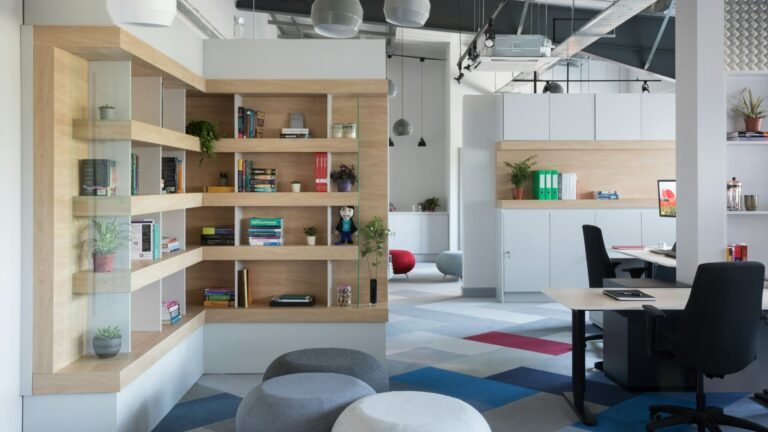
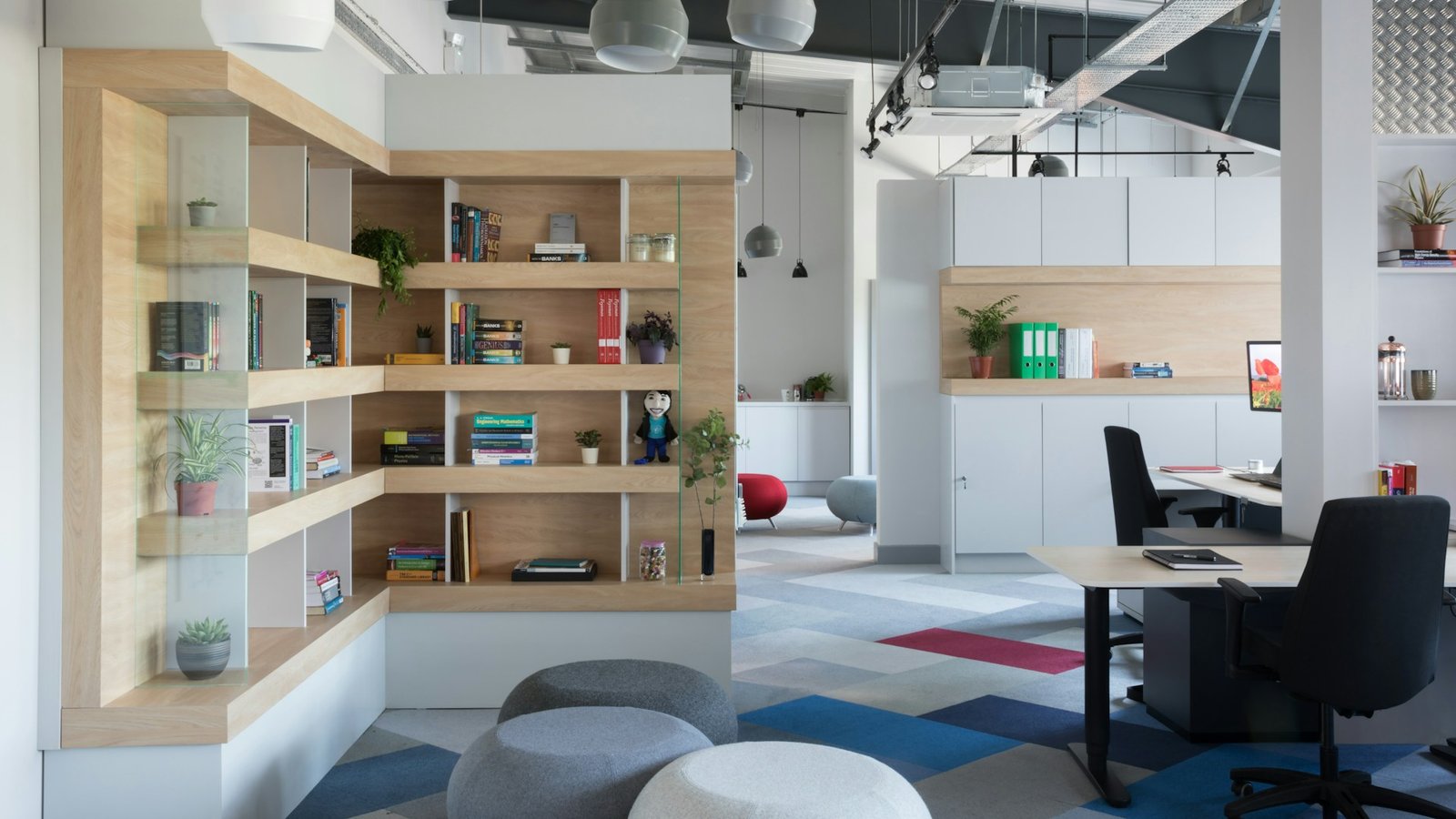
There’s a special kind of magic that happens when you step into a workspace that feels calm, grounded, and deeply in tune with your creative rhythms. Over the years, I’ve learned that the environment around me has just as much influence on my work as the tools I use. A cluttered or noisy space tends to make my mind feel scattered, while a quiet, thoughtfully curated corner seems to unlock my best ideas without forcing them. Creating a space that supports slow, intentional creativity has become an essential part of my routine as a maker.

The first change I made was embracing simplicity—true simplicity, not the Instagram version. I cleared out anything that didn’t serve a purpose, whether that purpose was functional or emotional. A workspace doesn’t have to be minimal, but I think it should feel breathable. When the surface of my desk has room for my hands, my tools, and my thoughts, everything flows more gently. I also realized that owning fewer supplies pushes me to use what I have in more inventive ways.

White wooden shelf with books and red ball
This is a caption

Natural elements now play a huge part in shaping the mood of my space. A small plant, a warm wooden tray, even the gentle texture of linen on my chair all make the room feel inviting. Soft, indirect lighting—like a warm lamp instead of a harsh overhead bulb—helps me ease into longer periods of focused work. Little rituals matter, too; lighting a candle or opening the window for a few minutes before starting helps me transition into a more mindful headspace.

Sound is another underrated element of workspace design. For me, certain types of quiet music—or sometimes nothing but the hum of my home—create a sense of stillness that encourages deeper concentration. Other creators thrive on background noise or bustling cafés. The key is paying attention to what genuinely helps you settle into your creative zone. Creating a playlist or a curated set of sounds for different parts of your workflow can make a surprisingly big difference.

Most importantly, I’ve learned to design my workspace around my energy, not trends. Some days I work best sitting at my desk, while on others, I find inspiration by sketching in a cozy corner or editing photos at the dining table. Instead of restricting my creativity to one spot, I’ve created multiple small “creative nests” around my home. It makes my process feel flexible, natural, and less pressured.

A slow, intentional workspace is not about perfection—it’s about creating an environment that feels nurturing, personal, and deeply aligned with the way you make things. When your space invites you to slow down and truly connect with your craft, creativity feels less like something you chase and more like something you return to.