Category

Personal Inspiration & Stories

Honest musings on life, creativity, and the beauty found in the everyday.

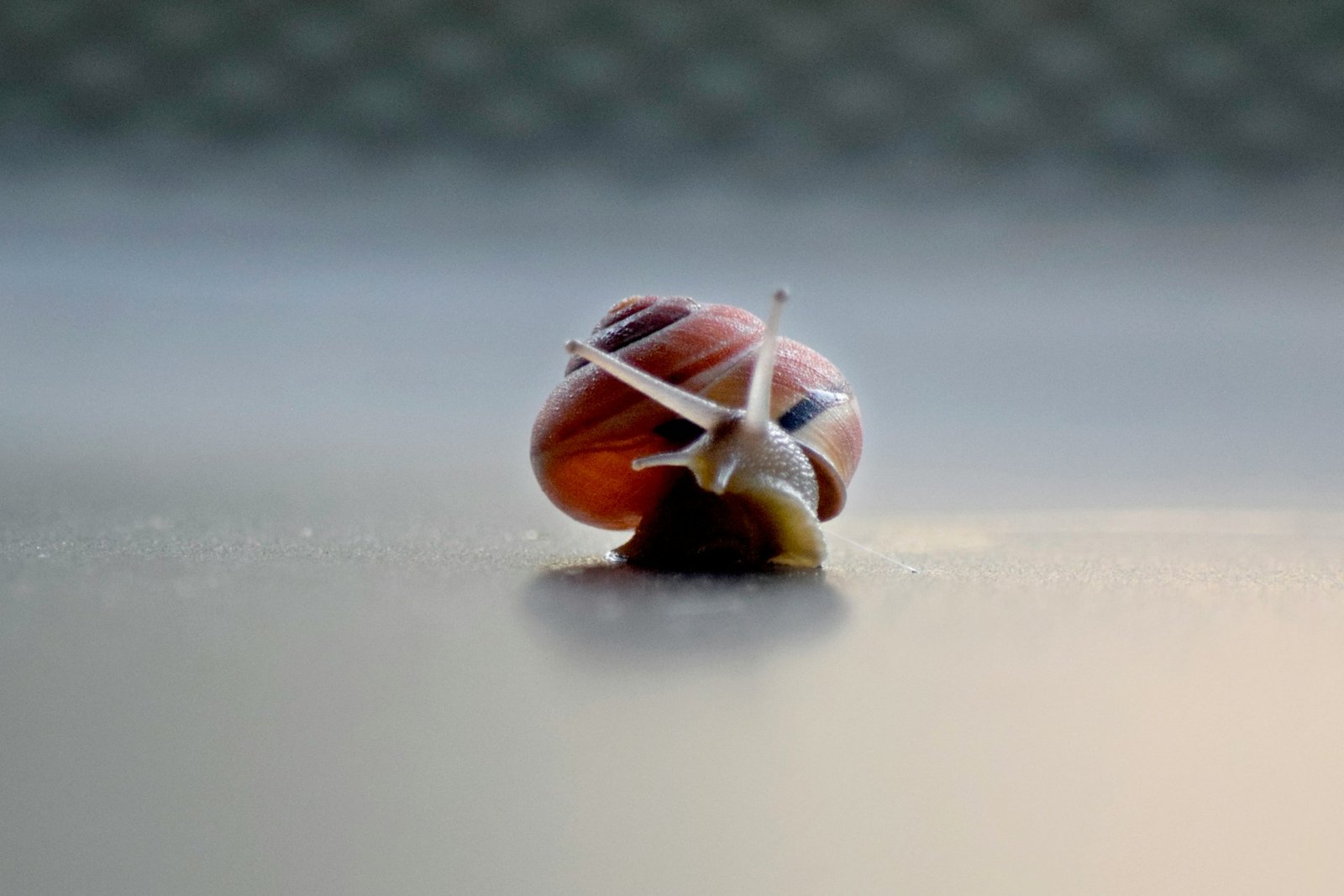
A close-up of a snail on a table

For most of my life, I believed creativity thrived in busy seasons — the “hustle mode,” the late-night bursts of energy, the long to-do lists that kept me always in motion. But over the past year, I’ve shifted into a slower, more intentional lifestyle, and the impact on my creativity has surprised me in the most meaningful ways.

Slow living began with tiny changes: putting my phone in another room, brewing tea without multitasking, and allowing myself quiet mornings instead of rushing straight into tasks. At first, it felt unproductive — like I was giving up precious time. But slowly, I realized I wasn’t losing time at all. I was reclaiming it.

A close-up of a snail on a table
This is a caption

As the pace eased, ideas began to flow more naturally. I started noticing things I had overlooked: the way sunlight hits my notebook, the sound of leaves outside my window, the softness of fabrics as I work on a project. These small sensory details became creative sparks that I never would’ve noticed before.

I also started journaling again — not the structured kind, but simple, honest reflections. Writing about my thoughts helped me understand what inspires me and what drains me. It made me more intentional with the projects I chose and helped me reconnect with the reasons I started creating in the first place.

Another surprising shift was how slow living improved my emotional well-being. When creativity isn’t rushed, it feels less like a performance and more like an expression. I became kinder to myself, less focused on results, and more attuned to the process. And because of that, I’ve produced some of my most meaningful work this year.

If you’ve been feeling drained, overwhelmed, or stuck creatively, try slowing down. Let your inspiration come from presence, not pressure. Creativity doesn’t always need intensity — sometimes it just needs room to breathe.
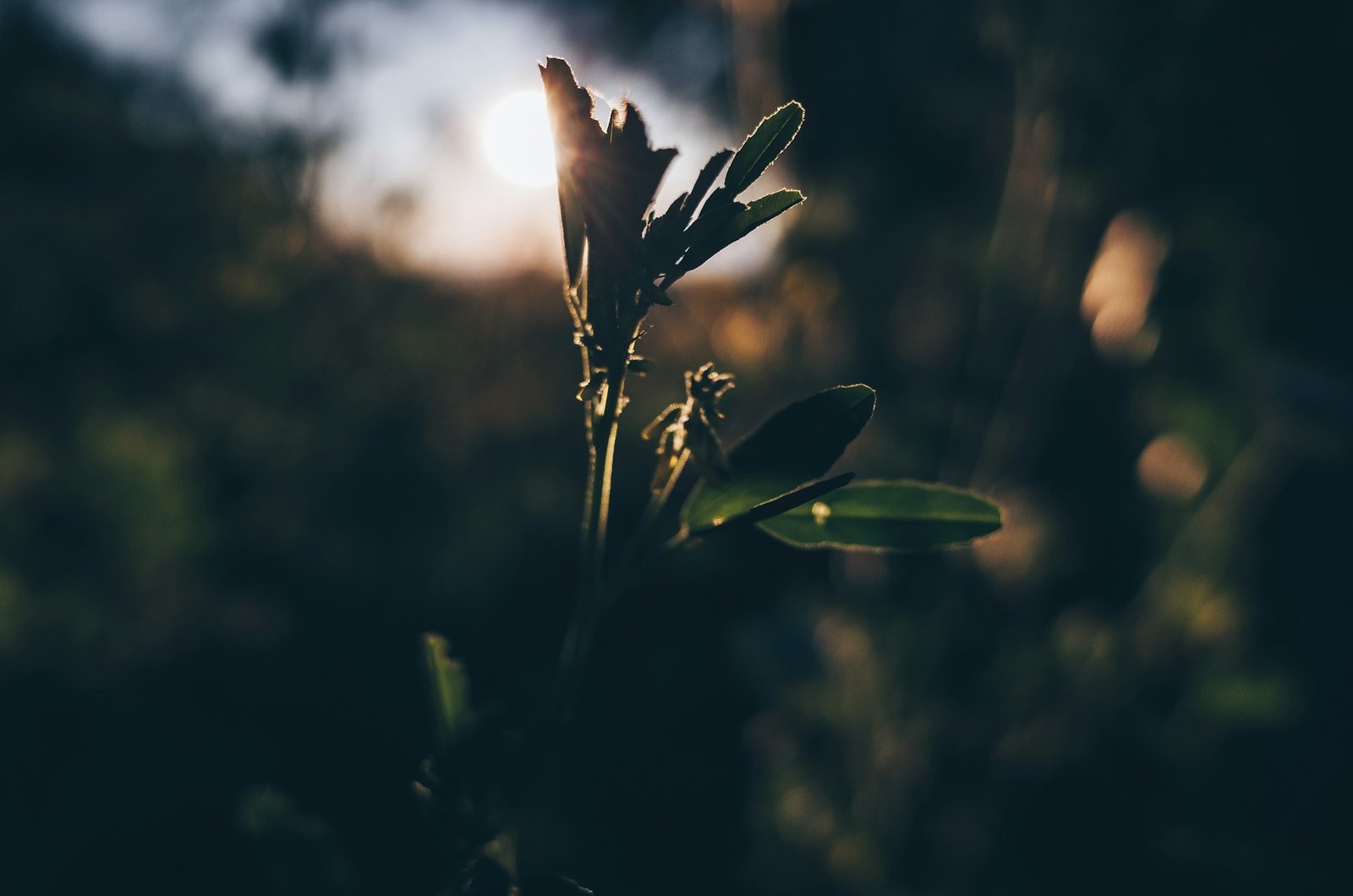
Green leafed plant during daytime

There was a time when I believed productivity only counted if it was fast, structured, and perfectly efficient. I rushed through mornings like they were a hurdle to jump, not a moment to savor. But over the last year, I’ve been learning that slow mornings offer a kind of clarity that no planner or routine ever did. When I stopped racing the clock, I started noticing the small pleasures that had always been there—warm light on the kitchen tiles, the soft hum of a kettle, and the calm that comes before the noise of the day.

This shift didn’t happen overnight. It began with small experiments: drinking tea without a podcast in the background, stretching for five minutes before reaching for my phone, or simply sitting by the window and watching the sun rise. These are ordinary moments, yet they transformed the tone of my day more than any rigid productivity hack ever has.

Green leafed plant during daytime
This is a caption

I started valuing mornings not for how much I could get done, but for how connected I felt to myself. There’s a gentle sort of magic in allowing yourself to wake slowly, in giving your mind the chance to wander before jumping into tasks. It’s a reminder that we’re human—meant to feel, breathe, and ease into things.

Of course, not every morning is peaceful. Some days I oversleep or rush out the door with mismatched socks and a messy bun. But even then, I try to find a small anchor—a quick breath, a moment of intention—something that brings me back to center. It doesn’t have to be perfect; it just has to be present.

If you’ve been craving more softness in your daily routine, try giving yourself permission to slow down. It doesn’t require a whole lifestyle change—just a willingness to make space for stillness. Even five minutes can shift everything.

Slow mornings taught me that inspiration doesn’t always arrive loudly. Sometimes it whispers, quietly inviting you to begin again with gentleness.

A pen on a book

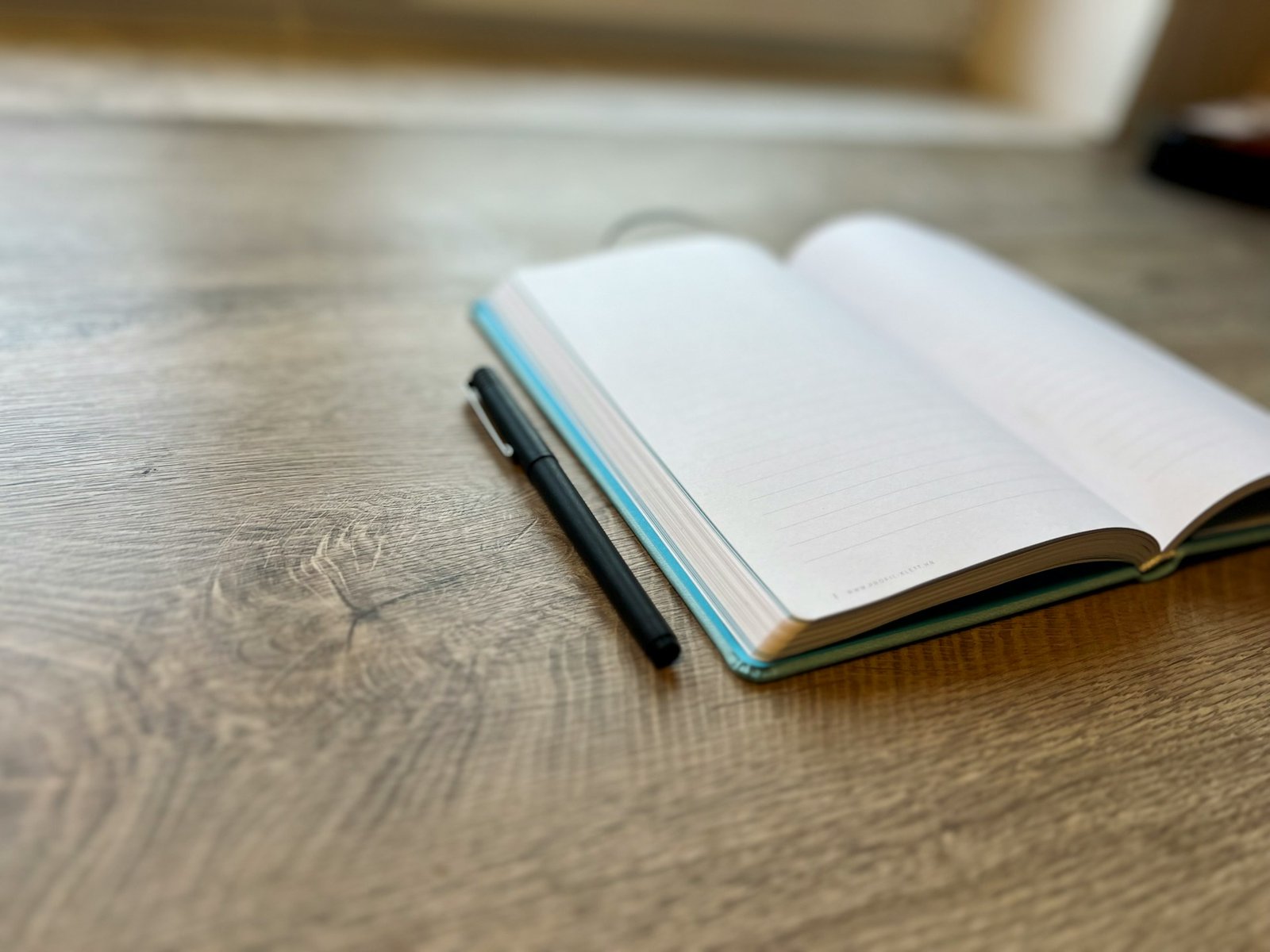
Last year, during a season when I felt creatively stuck, I bought a simple, unassuming notebook. Nothing fancy—just a soft beige cover and thick, slightly textured pages. I didn’t realize then how important it would become. At first, I wasn’t even sure what to write in it. My perfectionism kept whispering that each page needed to be meaningful, polished, or Instagram-ready. But something urged me to begin anyway.

I started by writing one sentence each day—just one. Some days it was a thought I couldn’t shake, a line from a dream, or even a worry. Other days it was a small victory: “I painted for 10 minutes today,” or “I went for a walk and noticed a blue door I’d never seen.” That little notebook became a container for everything I felt, thought, or wished for.

A pen on a book
This is a caption

Over time, my entries grew. That one sentence became three, then five, then entire pages of ideas, sketches, and reflections. I realized I had created a space where creativity didn’t have to be good—it only had to be honest. And that small shift changed everything. The pressure lifted, and playfulness returned. I felt like myself again.

This notebook became my refuge when projects felt overwhelming. It grounded me when doubt crept in. Most importantly, it reminded me that creativity begins with showing up—not with perfection. Some pages are messy, others are beautifully written. But all of them matter, because they’re pieces of my story.

If you’ve been feeling blocked or uninspired, try starting your own “imperfect notebook.” No expectations, no rules. Just a safe place for thoughts to land. You might be surprised by how much inspiration hides in simplicity.

Sometimes, all you need is a blank page and permission to be imperfect.

Woman in black jacket and brown backpack standing on road during daytime

For years, I measured my progress against the people around me—friends, creators online, strangers who seemed to have everything figured out. Comparison wasn’t a conscious habit; it simply became the lens through which I viewed myself. Every success I had felt smaller than someone else’s, and every setback felt like a failure unique to me. It was exhausting, and it chipped away at my confidence slowly but surely.

The shift came when I realized how much this mentality was costing me: my joy, my creativity, and my ability to celebrate my own growth. I began noticing how unfair the comparisons were. I was evaluating my behind-the-scenes against someone else’s highlight reel. No wonder I felt inadequate.

Woman in black jacket and brown backpack standing on road during daytime
This is a caption

So I made a conscious decision to unfollow accounts that triggered comparison, even if they were beautiful or inspiring. I surrounded myself with creators who valued authenticity over perfection. And most importantly, I started celebrating small progress—things nobody else would ever see. A finished chapter. A well-organized workspace. A moment of courage. A day where I rested instead of pushing myself.

This shift didn’t erase comparison entirely, but it changed my relationship with it. Instead of letting it drain my energy, I used it as a mirror: Why do I feel this way? What does this desire reveal? Those questions helped me understand myself better rather than punish myself.

Looking back, I realized that my journey has never needed to look like anyone else’s. It’s supposed to be uniquely mine—with its own pace, texture, and rhythm. And once I embraced that, everything softened.

If comparison has been stealing your joy, consider this a reminder: your timeline is not late, early, or behind. It’s simply yours—and that’s enough.