
Category

Freelance & Work Life

Navigating the path of a creative career. Finding your niche and balancing the hustle with rest.

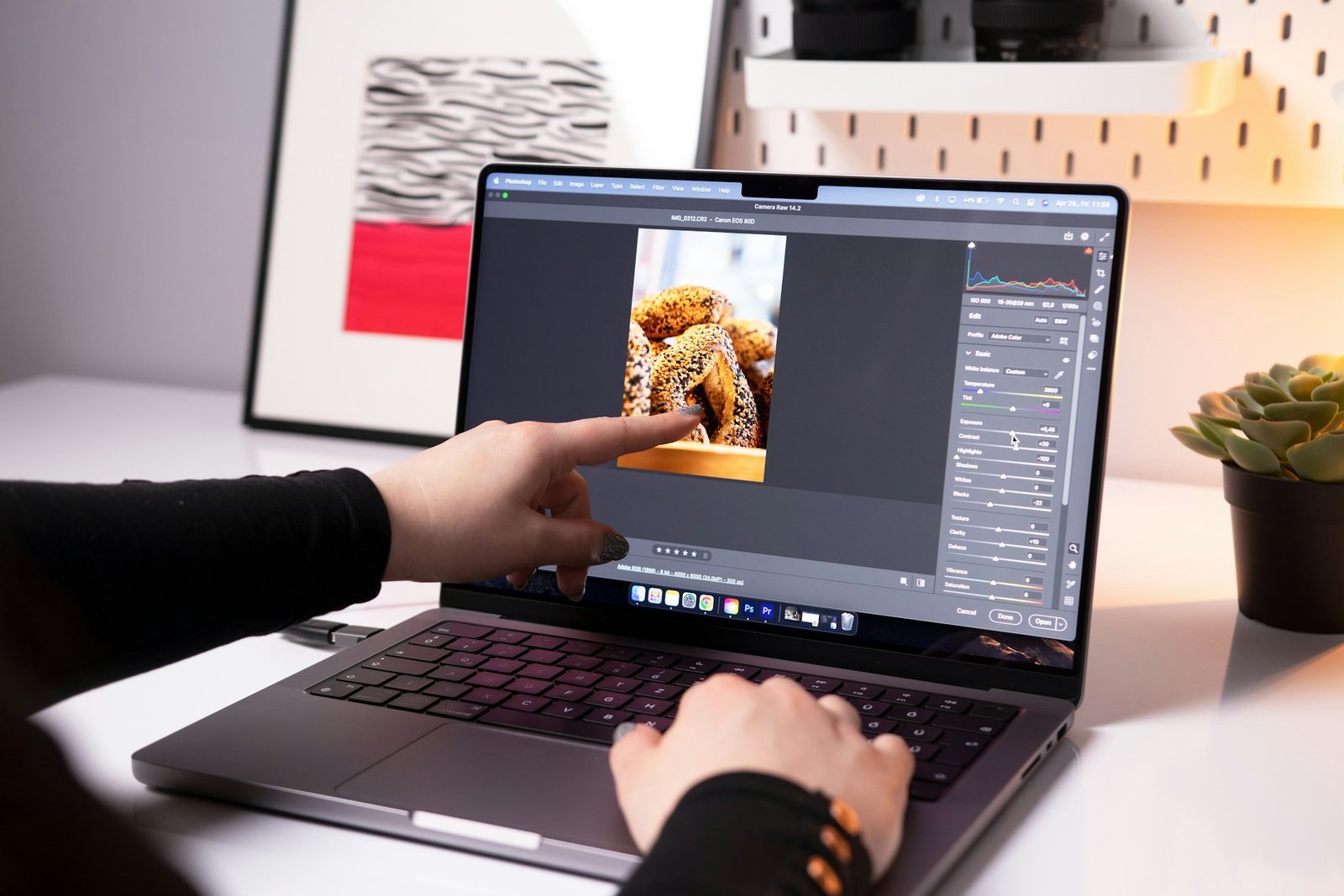
A person sitting in front of a laptop computer

Starting my journey as a creative freelancer felt like stepping into both freedom and uncertainty at the same time. I had no idea what to expect — only that I wanted to build a work life that allowed space for creativity, flexibility, and meaning. Looking back on my first year, I’ve gained lessons that I wish someone had told me earlier.

One of the biggest surprises was how much of freelancing is emotional rather than logistical. Managing self-doubt, motivation, and imposter syndrome was just as important as managing invoices and deadlines. The emotional rollercoaster is real, but learning to handle it made me stronger and more confident.
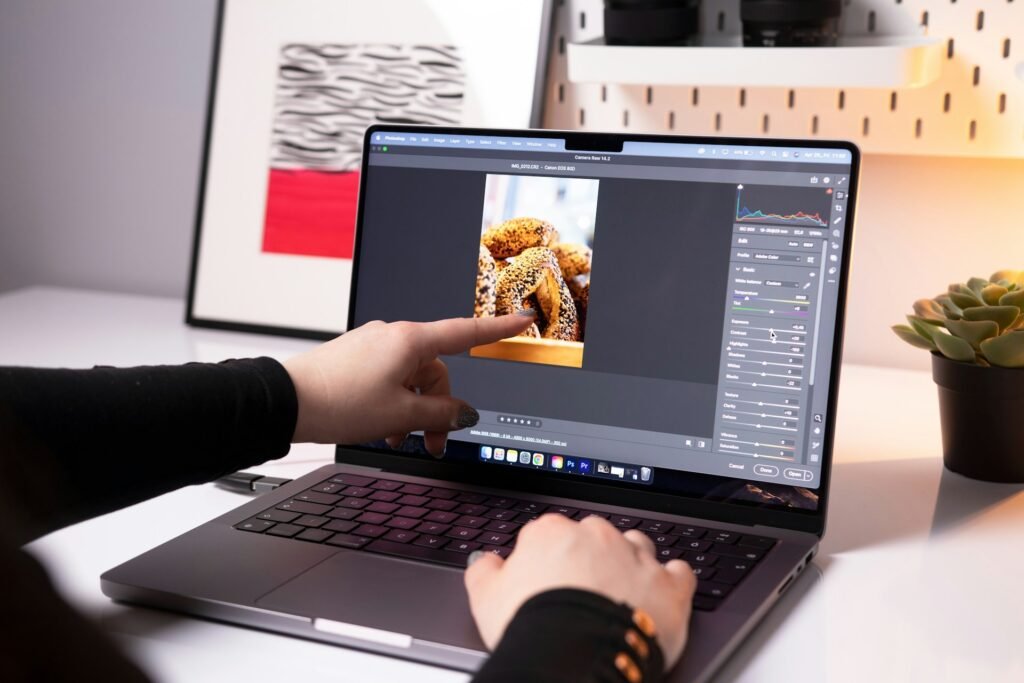
A person sitting in front of a laptop computer
This is a caption

I also learned that boundaries are non-negotiable. Early on, I said yes to everything, thinking it would help me grow faster. Instead, it nearly burned me out. Now, I choose projects that align with my values and creative strengths — and the quality of my work (and my life!) is infinitely better.

Organizing my schedule became another essential habit. I started using themed workdays: one day for admin, one for creative work, one for planning, etc. This removed the constant mental switching that used to drain my energy. It helped me work faster while still feeling grounded.

Networking also proved far less intimidating than I expected. Instead of treating connections like transactions, I approached them like friendships. A simple conversation on social media, a friendly reply to an email, or thanking someone for their work led to opportunities I never anticipated.

But my favorite lesson was this: freelancing gives you permission to build a life that reflects who you are. You’re allowed to rest, to dream, to pivot, to fail, and to try again. Your work becomes an extension of your creativity, not a cage that restricts it.

If you’re thinking of stepping into freelancing, know this: it’s a journey of growth, courage, and discovery. And the first year might just teach you more about yourself than any job ever could.


Woman smiling holding glass mug sitting beside table with macbook

Finding the right routine as a freelancer can feel impossible at first. Without a traditional workplace structuring your day, it’s easy to drift between tasks or fall into irregular working patterns. But creating a routine isn’t about rigid rules — it’s about building gentle rhythms that support your creativity. When your workflow feels natural rather than forced, your output becomes more consistent and far more satisfying.

The first step is identifying your natural creative windows. Some freelancers do their best thinking at sunrise, while others feel most productive at night when the world quiets down. Spend a week tracking when you feel most alert, most tired, and most capable of deep focus. You might be surprised by the patterns that emerge. Use that data to anchor your most demanding tasks at the times you naturally flourish.

Woman smiling holding glass mug sitting beside table with macbook
This is a caption

Another cornerstone of a successful routine is batching similar types of work. Instead of bouncing between emails, content creation, admin tasks, and client communication, try grouping tasks by energy level. If you schedule all communication at one time, for example, you’re less likely to get derailed during a creative sprint. Your brain thrives on consistency, and batching helps minimize decision fatigue.

Don’t forget to incorporate movement breaks. Freelancers often underestimate how much physical posture affects mental clarity. A ten-minute stretch session, a short walk outside, or even gentle desk yoga can completely reset your mood. These small pauses keep burnout at bay while boosting creativity and problem-solving abilities.

Finally, give yourself permission to adjust your routine regularly. Freelancing evolves — seasons change, workloads shift, and personal circumstances fluctuate. Think of your routine as a living system rather than something fixed. When you accept that it will grow with you, maintaining it becomes far easier and far more enjoyable.

A sustainable routine is one that supports both your work and your well-being. When you honor your natural rhythms and build gentle structure around them, freelancing feels less chaotic and far more empowering.

Person writing on white paper

Setting boundaries is one of the hardest lessons for freelancers to learn, especially when your income depends on maintaining good client relationships. The urge to be endlessly available can be strong, but it’s also a fast track to burnout. The truth is, clear boundaries don’t make you difficult — they make you professional. Clients appreciate clarity far more than vague availability.

Start by defining your personal “non-negotiables.” These might include weekends off, a dedicated evening cutoff time, or a rule that all communication stays within specific hours. Once you know what’s important to you, it becomes easier to communicate it confidently. A boundary is far easier to honor when it’s tied to your well-being rather than arbitrary rules.

Person writing on white paper
This is a caption

Writing a friendly but firm availability statement is a great way to set expectations. This can go in your onboarding documents, your email signature, or your project proposals. When clients know upfront when you’re reachable, misunderstandings and pressure fade. It also makes it easier to say “no” later, because you already stated your terms from day one.

Another essential boundary involves communication platforms. Freelancers often get messages scattered across email, WhatsApp, Messenger, Instagram, and even voice notes. Choose one official channel and gently guide clients toward it. This small shift eliminates a surprising amount of stress — and it keeps important messages from getting lost.

Of course, maintaining boundaries requires practice. There will be moments when you’re tempted to break them to “look good” or avoid conflict. But remember: clients don’t hire you for instant replies; they hire you for quality work. Protecting your time and focus ultimately benefits them too.

When you create boundaries rooted in kindness and confidence, your business becomes more sustainable — and your clients gain a clearer, more consistent partner. Boundaries aren’t barriers; they’re bridges toward healthier, happier freelancing.

A woman sitting on a window sill using a laptop

Marketing yourself is unavoidable when you’re a freelancer, but many creatives struggle with the idea of promoting their work. The fear of seeming pushy or overly self-promotional makes it tempting to stay quiet. But marketing doesn’t have to feel like selling — it can feel like sharing. Once you reframe marketing as storytelling, the entire process becomes far more natural.

Start by defining your unique voice. What makes your work different? What values shape your process? What do you want people to feel when they see your portfolio or read your posts? When your message is clear, you attract not just clients — but the right clients. Authenticity resonates far more than polished sales language ever could.

A woman sitting on a window sill using a laptop
This is a caption

Next, focus on showing your work in progress, not just finished projects. People love seeing how ideas come to life. Behind-the-scenes snippets, sketches, mood boards, before-and-after photos, or quick reels of your workflow can build connection quickly. These glimpses help clients understand your craft and appreciate the skill that goes into it.

Social platforms are incredibly powerful tools when used strategically. Choose one or two that align with your style and audience. For a craft-focused or creative-studio vibe, Instagram, Pinterest, and sometimes TikTok are ideal. You don’t need daily posting — consistency matters far more than frequency. Even two thoughtful posts a week can build momentum.

Your website can also become a quiet marketing engine. Case studies, blog posts, and a simple, warm About page help new clients feel like they already know you. Think of your site as a digital home: inviting, personal, and curated thoughtfully. It’s less about pitching and more about welcoming visitors into your world.

Finally, don’t underestimate the power of genuine connection. Responding to comments, sharing other creators’ work, and participating in niche communities builds trust naturally. People hire people they feel connected to — not people who shout the loudest.

When marketing becomes storytelling, it becomes an extension of your creative expression. And in that space, promoting your work feels natural, joyful, and deeply aligned with who you are.