Category

Creative Workspace

Inspiration for your studio, office, or that little corner of the dining table where the magic happens.

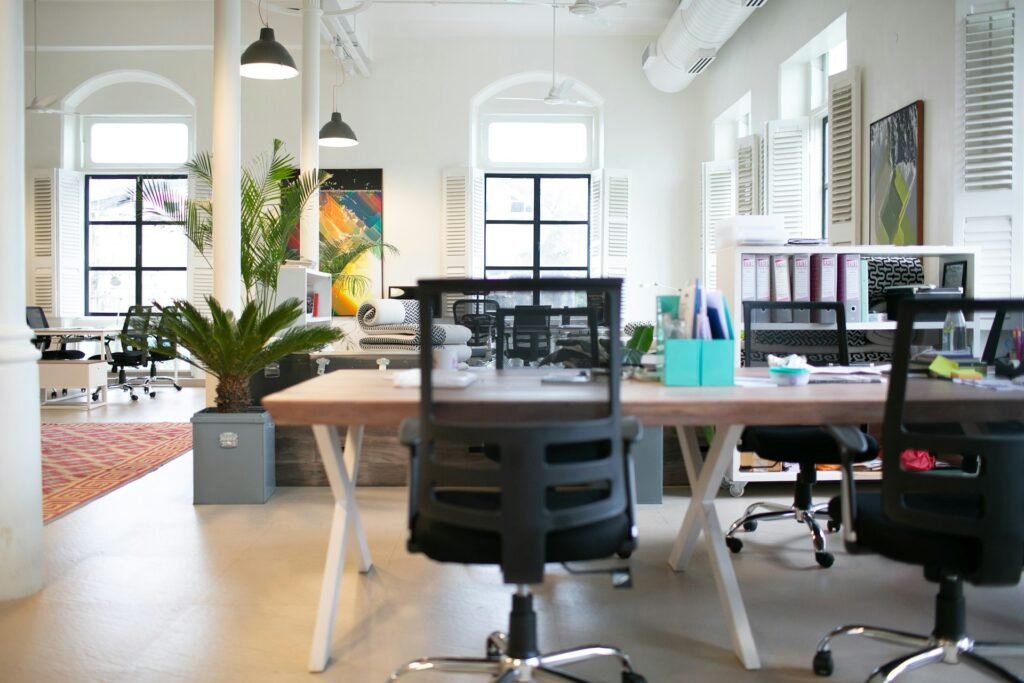
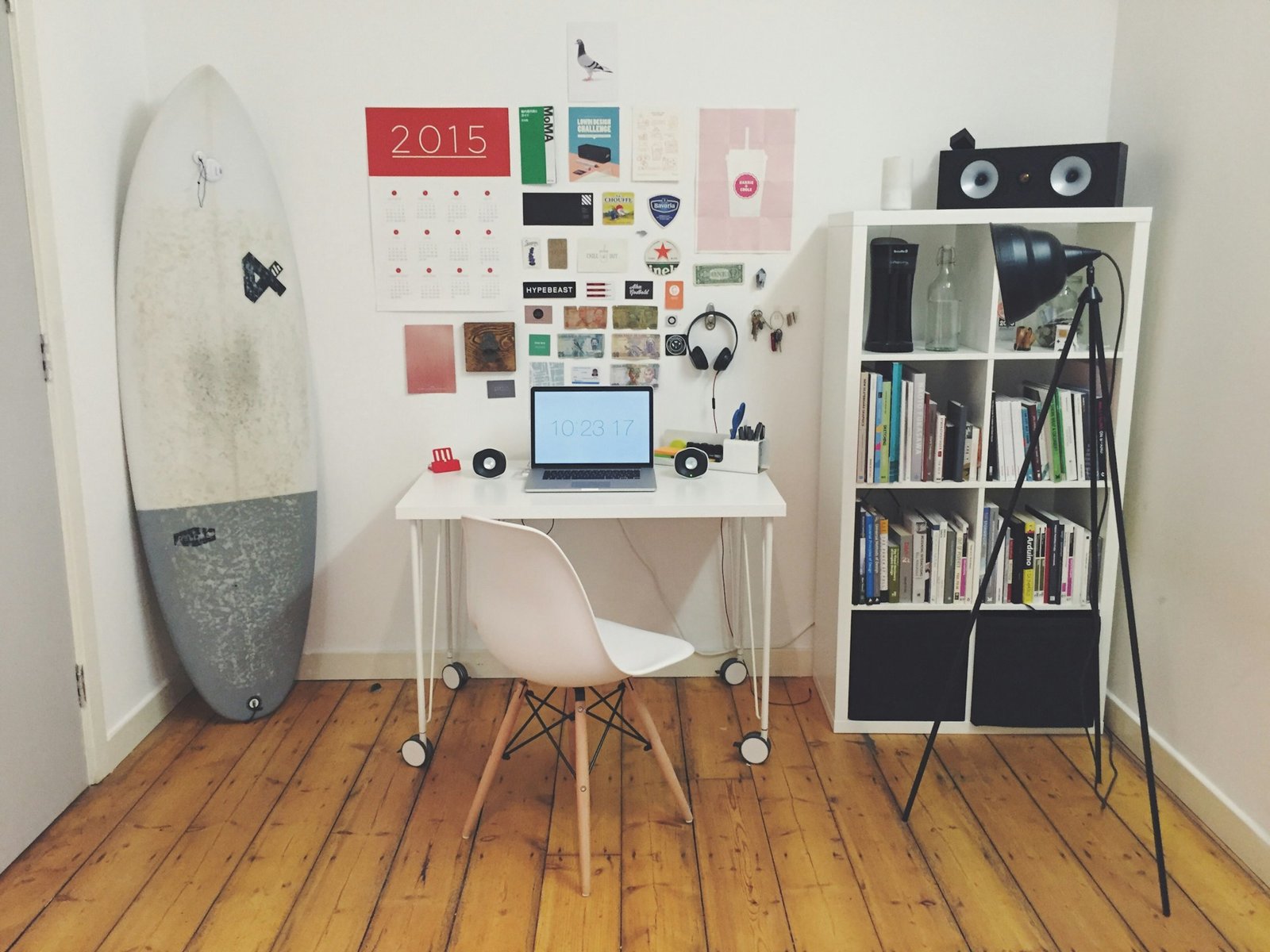
White surfboard beside white wall white wooden cube bookshelf inside the room

For years, my desk was purely functional — a surface for my laptop, a mug, and a rotating pile of notebooks. But lately, I’ve been craving a workspace that not only supports my tasks but genuinely inspires me to create. So I decided to transform my desk into a creativity-first environment, and the change has been remarkable.

The first thing I did was clear visual clutter. I removed anything that didn’t serve a purpose or spark joy. The empty space alone made the area feel calmer, more inviting. Once I had a blank canvas, I started adding items intentionally: a small vase with dried flowers, a ceramic tray for my essentials, and a warm desk lamp that softened the mood instantly.
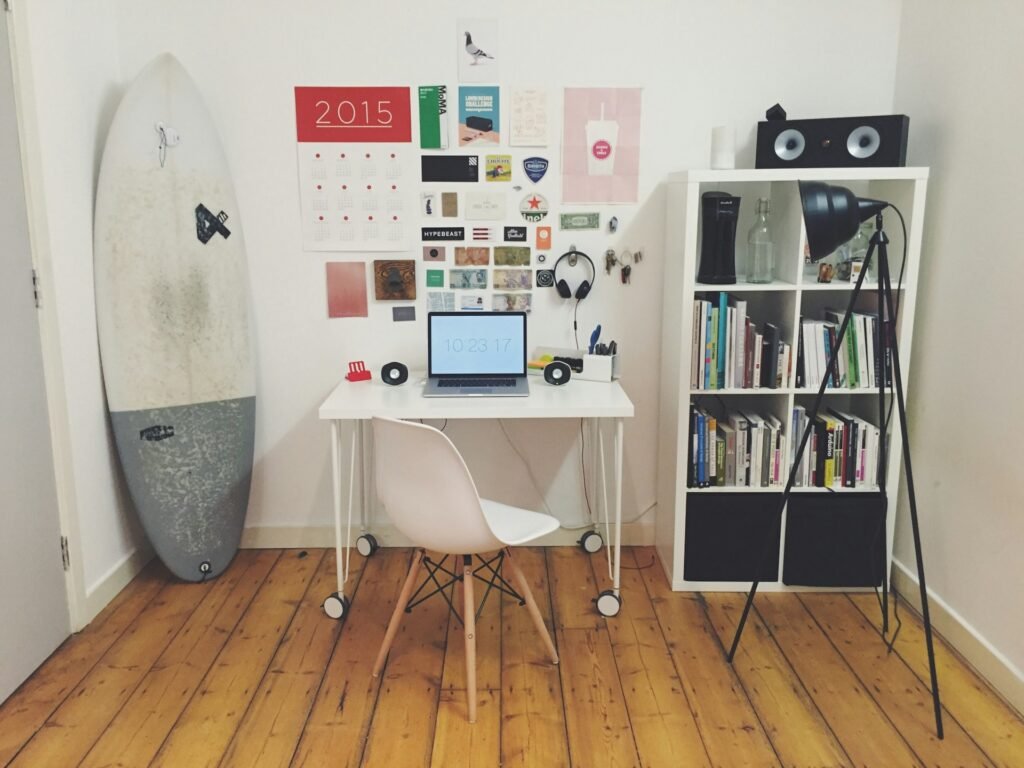
White surfboard beside white wall white wooden cube bookshelf inside the room
This is a caption

Next, I gave my tools a proper home. Instead of keeping pens, scissors, and markers scattered everywhere, I arranged them in little containers that matched my aesthetic. I even created a “project box” — a single spot where in-progress crafts live so they don’t drift into chaos across the desk.

One of the most impactful changes was adding inspiration boards. I made two versions: a cork board for physical elements like fabric swatches and printed quotes, and a magnetic board for quick mood-shifts depending on the project I’m working on. This keeps my creative energy flowing without overwhelming my eyesight.

Lighting also played a huge role. Natural light is ideal, but I added a soft LED light bar under my shelf to mimic daylight for late-night crafting. It keeps the room warm and peaceful instead of harsh and clinical.

Finally, I added personal touches: a favorite candle, a framed photo that makes me smile, and a few pieces of my own handmade art. Suddenly my desk wasn’t just a workstation; it became a sanctuary for imagination.

If you’re craving more creativity in your life, start by transforming the space where your ideas begin. When your workspace feels like a place of inspiration, your creativity follows effortlessly.
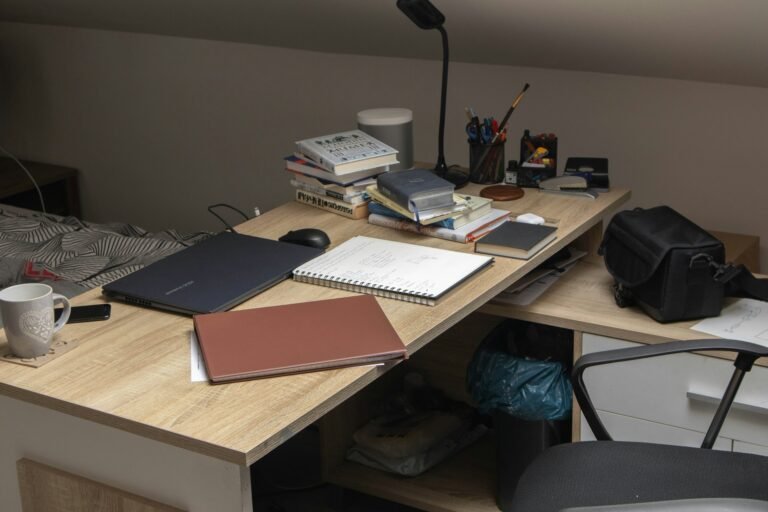
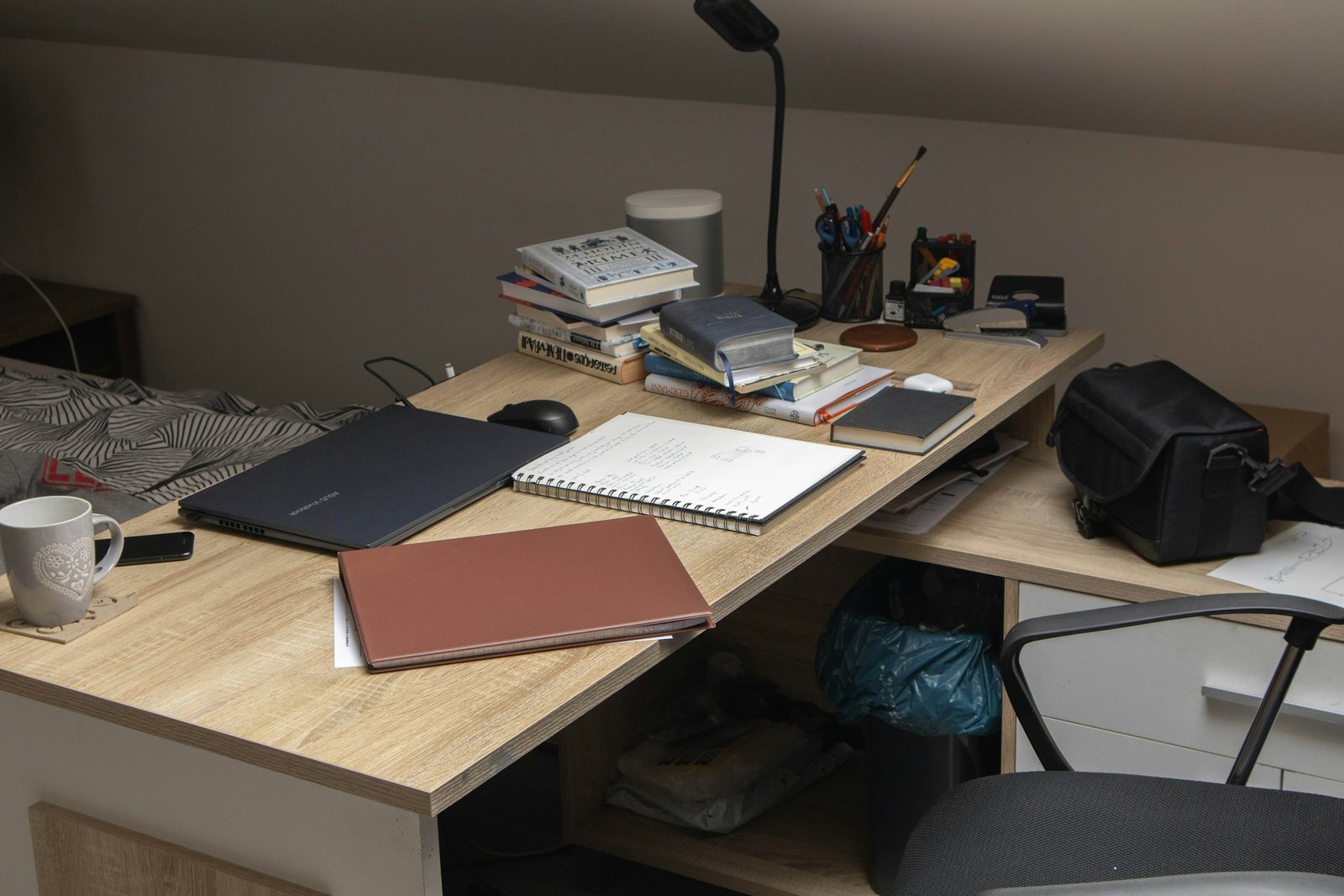
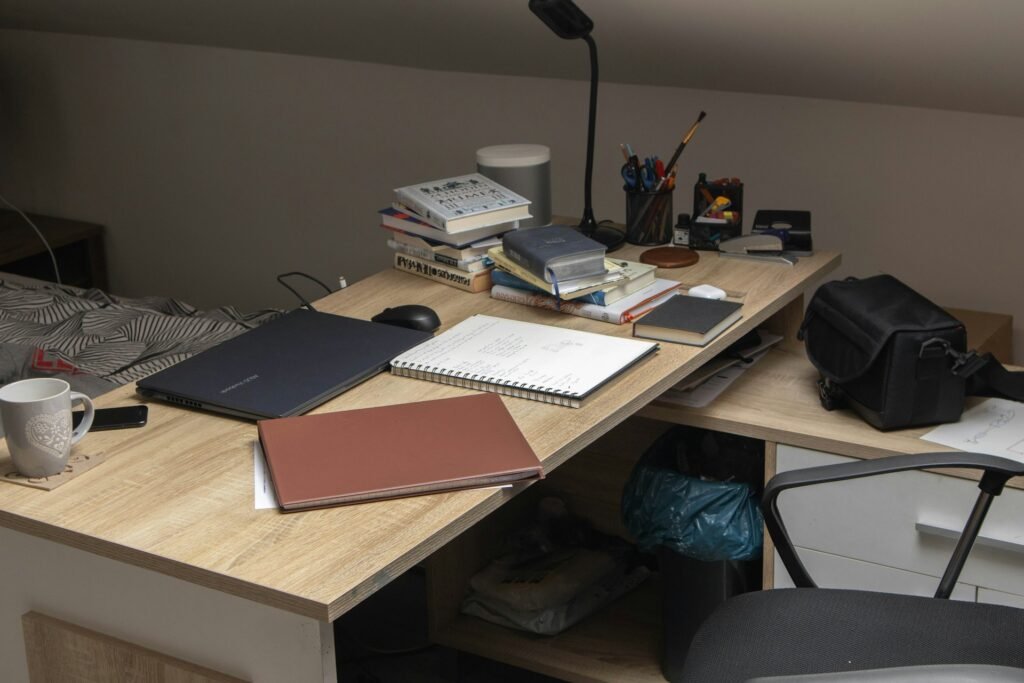
A wooden desk topped with a laptop computer

As creators, our workspaces absorb our energy—the busier our days get, the more clutter and chaos tend to accumulate. One of the most effective ways to maintain a creative flow is to practice a weekly workspace reset ritual. Not only does this keep your area functional, but it also helps you reconnect with your intentions for the week ahead.

Start your ritual by clearing your desk entirely. Remove everything: tools, notebooks, wires, empty cups, and loose papers. As the surface empties, you’ll notice your mind feeling lighter as well. Wipe the area down with a gentle cleaner or dusting cloth to give your workspace a soft, fresh beginning.

A wooden desk topped with a laptop computer
This is a caption

Next, organize intentionally. Sort your tools and supplies into categories: what you use daily, weekly, occasionally, or rarely. Store only your most frequently used items within arm’s reach. Everything else can go in drawers or neatly labeled containers. This step alone can dramatically improve how smoothly you transition into creative sessions.

This is also the perfect time to rearrange your inspiration board or mood wall. Update it with new color palettes, textures, photos, sketches, or quotes that align with your current projects. Inspiration changes with the seasons, and your creative prompts should evolve too.

Once everything is in order, add something sensory. Light a candle, diffuse essential oils, or place a fresh flower in a small vase. Engaging your senses can transform work into a soothing ritual, especially if you pair it with soft background music or nature sounds.

To close your reset, sit down with your planner and set a creative intention for the upcoming week. It could be as simple as “show up consistently,” “experiment without pressure,” or “finish one meaningful piece.” Your workspace is ready—and so are you.

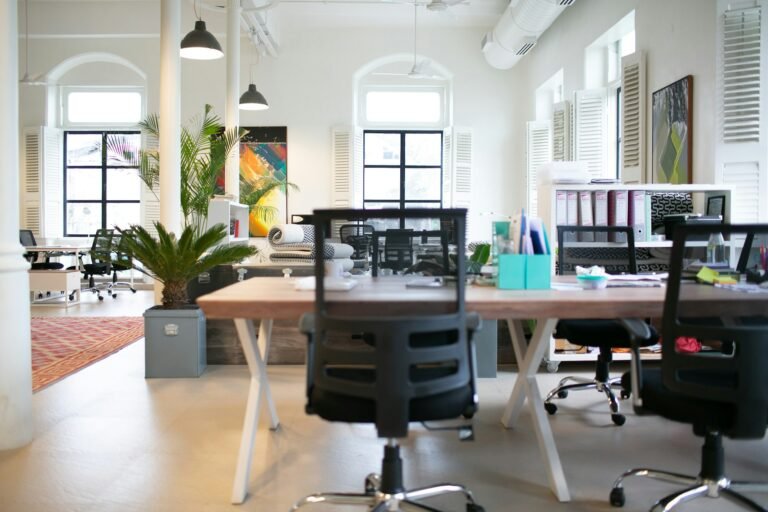
Chairs beside table

Whether you’re a full-time freelancer or juggling creative projects with other responsibilities, your workspace plays a major role in keeping you focused and balanced. A well-designed environment can increase productivity, reduce stress, and help you shift smoothly between tasks. Creating a space that supports your workflow doesn’t have to be complicated—it just requires thoughtfulness.

Begin by mapping out the kinds of work you do. Do you sketch, sew, write, photograph, or edit videos? Identify your core activities and assign a small zone or “station” for each. Even in tiny rooms, you can divide space with trays, rolling carts, or removable tabletop organizers that allow you to shift tasks without losing momentum.

Chairs beside table
This is a caption

Consider ergonomics next. As freelancers, many of us spend hours at a desk, and comfort matters. Investing in an adjustable chair, raising your monitor to eye level, or using a supportive wrist rest can prevent tension and keep you creating longer without discomfort. Your body is your most important creative tool—treat it kindly.

Ambiance is equally important. Freelancers often work alone, so creating a positive emotional environment can help anchor your day. Soft background music, a scented candle, or a calming color palette can transform your workspace from “just a desk” into a sanctuary that supports your creative energy and focus.

To help manage the unpredictability of freelancing, incorporate organization systems that reduce stress. A magnetic board for deadlines, a digital calendar for client work, or a color-coded notebook system can bring order to your creative life. When everything has a place, you spend less time searching and more time making progress.

Finally, give yourself a visual reminder of why you do what you do. This might be a framed quote, a photo of something you dream of building, or a small charm that symbolizes courage. Freelance life can be challenging—but a workspace filled with meaning can keep you grounded and inspired even on the busiest days.

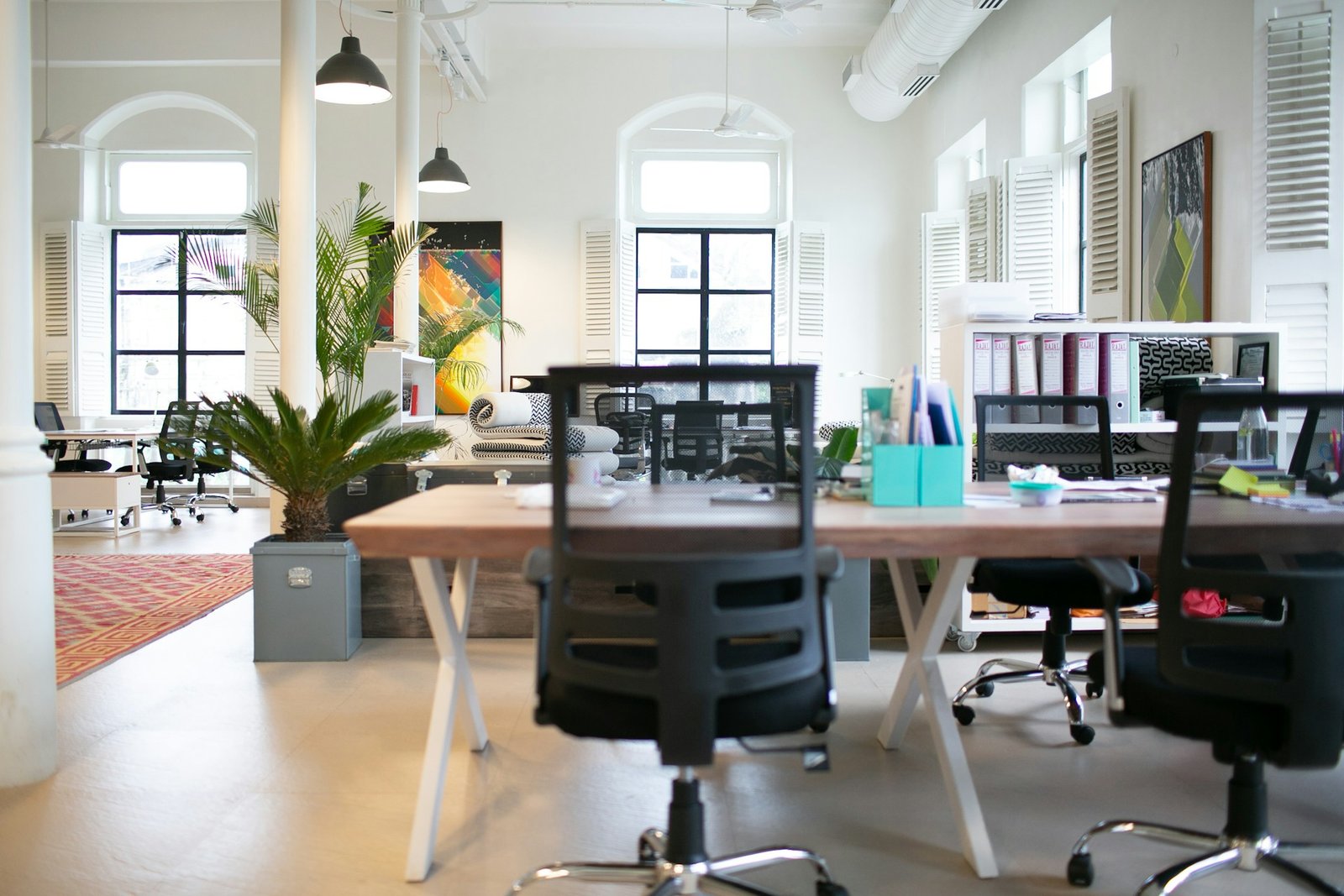
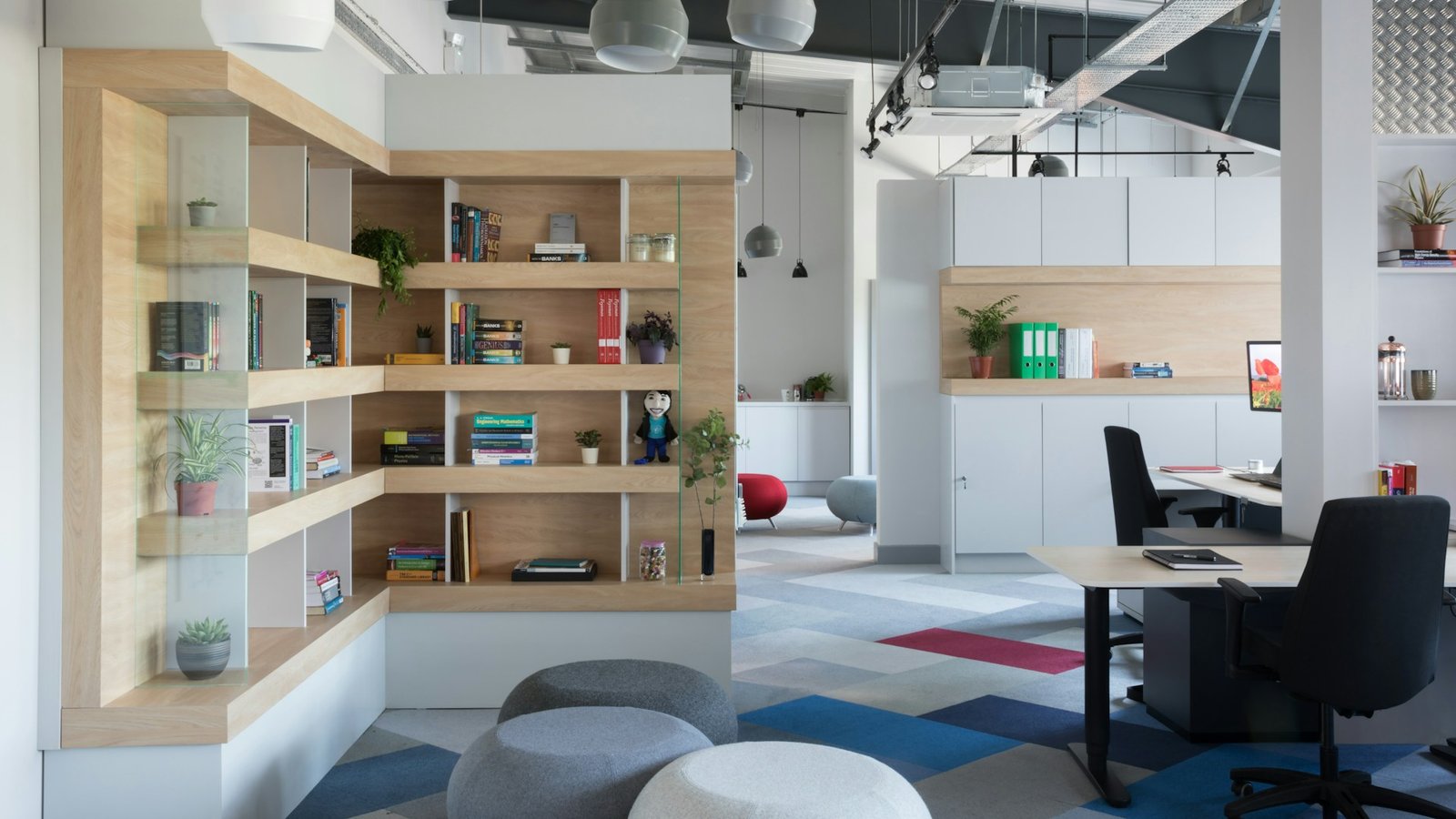
White wooden shelf with books and red ball

There’s a special kind of magic that happens when you step into a workspace that feels calm, grounded, and deeply in tune with your creative rhythms. Over the years, I’ve learned that the environment around me has just as much influence on my work as the tools I use. A cluttered or noisy space tends to make my mind feel scattered, while a quiet, thoughtfully curated corner seems to unlock my best ideas without forcing them. Creating a space that supports slow, intentional creativity has become an essential part of my routine as a maker.

The first change I made was embracing simplicity—true simplicity, not the Instagram version. I cleared out anything that didn’t serve a purpose, whether that purpose was functional or emotional. A workspace doesn’t have to be minimal, but I think it should feel breathable. When the surface of my desk has room for my hands, my tools, and my thoughts, everything flows more gently. I also realized that owning fewer supplies pushes me to use what I have in more inventive ways.

White wooden shelf with books and red ball
This is a caption

Natural elements now play a huge part in shaping the mood of my space. A small plant, a warm wooden tray, even the gentle texture of linen on my chair all make the room feel inviting. Soft, indirect lighting—like a warm lamp instead of a harsh overhead bulb—helps me ease into longer periods of focused work. Little rituals matter, too; lighting a candle or opening the window for a few minutes before starting helps me transition into a more mindful headspace.

Sound is another underrated element of workspace design. For me, certain types of quiet music—or sometimes nothing but the hum of my home—create a sense of stillness that encourages deeper concentration. Other creators thrive on background noise or bustling cafés. The key is paying attention to what genuinely helps you settle into your creative zone. Creating a playlist or a curated set of sounds for different parts of your workflow can make a surprisingly big difference.

Most importantly, I’ve learned to design my workspace around my energy, not trends. Some days I work best sitting at my desk, while on others, I find inspiration by sketching in a cozy corner or editing photos at the dining table. Instead of restricting my creativity to one spot, I’ve created multiple small “creative nests” around my home. It makes my process feel flexible, natural, and less pressured.

A slow, intentional workspace is not about perfection—it’s about creating an environment that feels nurturing, personal, and deeply aligned with the way you make things. When your space invites you to slow down and truly connect with your craft, creativity feels less like something you chase and more like something you return to.