

Author

therealkbrackson@gmail.com

Woman in black jacket and brown backpack standing on road during daytime

For years, I measured my progress against the people around me—friends, creators online, strangers who seemed to have everything figured out. Comparison wasn’t a conscious habit; it simply became the lens through which I viewed myself. Every success I had felt smaller than someone else’s, and every setback felt like a failure unique to me. It was exhausting, and it chipped away at my confidence slowly but surely.

The shift came when I realized how much this mentality was costing me: my joy, my creativity, and my ability to celebrate my own growth. I began noticing how unfair the comparisons were. I was evaluating my behind-the-scenes against someone else’s highlight reel. No wonder I felt inadequate.

Woman in black jacket and brown backpack standing on road during daytime
This is a caption

So I made a conscious decision to unfollow accounts that triggered comparison, even if they were beautiful or inspiring. I surrounded myself with creators who valued authenticity over perfection. And most importantly, I started celebrating small progress—things nobody else would ever see. A finished chapter. A well-organized workspace. A moment of courage. A day where I rested instead of pushing myself.

This shift didn’t erase comparison entirely, but it changed my relationship with it. Instead of letting it drain my energy, I used it as a mirror: Why do I feel this way? What does this desire reveal? Those questions helped me understand myself better rather than punish myself.

Looking back, I realized that my journey has never needed to look like anyone else’s. It’s supposed to be uniquely mine—with its own pace, texture, and rhythm. And once I embraced that, everything softened.

If comparison has been stealing your joy, consider this a reminder: your timeline is not late, early, or behind. It’s simply yours—and that’s enough.
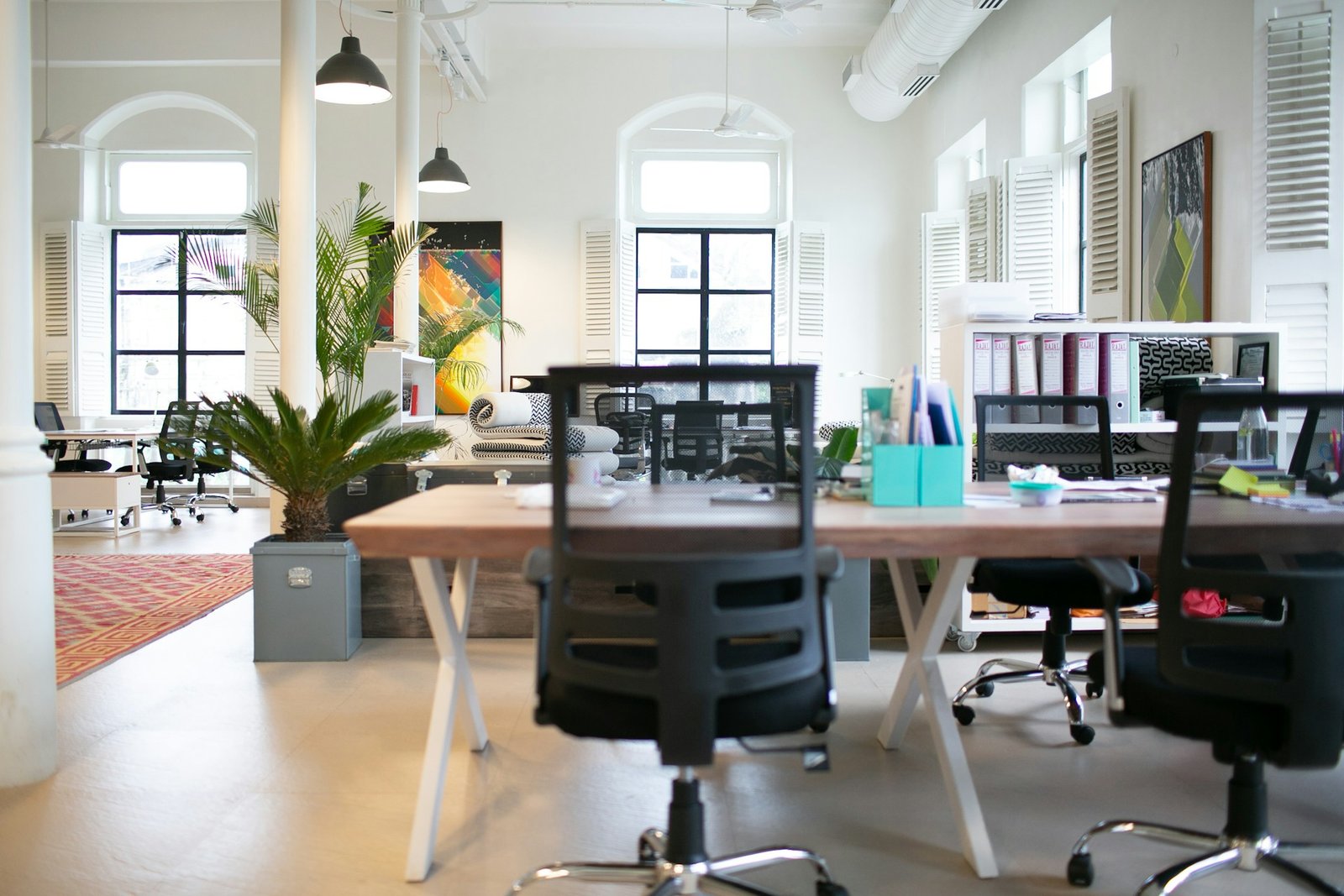
Chairs beside table

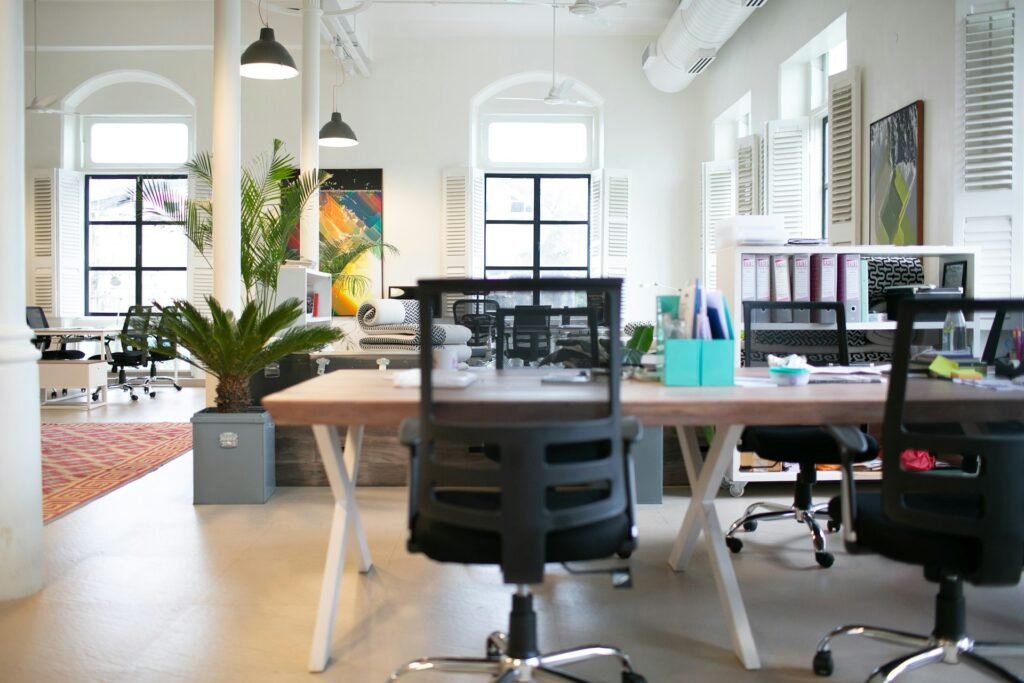
Whether you’re a full-time freelancer or juggling creative projects with other responsibilities, your workspace plays a major role in keeping you focused and balanced. A well-designed environment can increase productivity, reduce stress, and help you shift smoothly between tasks. Creating a space that supports your workflow doesn’t have to be complicated—it just requires thoughtfulness.

Begin by mapping out the kinds of work you do. Do you sketch, sew, write, photograph, or edit videos? Identify your core activities and assign a small zone or “station” for each. Even in tiny rooms, you can divide space with trays, rolling carts, or removable tabletop organizers that allow you to shift tasks without losing momentum.

Chairs beside table
This is a caption

Consider ergonomics next. As freelancers, many of us spend hours at a desk, and comfort matters. Investing in an adjustable chair, raising your monitor to eye level, or using a supportive wrist rest can prevent tension and keep you creating longer without discomfort. Your body is your most important creative tool—treat it kindly.

Ambiance is equally important. Freelancers often work alone, so creating a positive emotional environment can help anchor your day. Soft background music, a scented candle, or a calming color palette can transform your workspace from “just a desk” into a sanctuary that supports your creative energy and focus.

To help manage the unpredictability of freelancing, incorporate organization systems that reduce stress. A magnetic board for deadlines, a digital calendar for client work, or a color-coded notebook system can bring order to your creative life. When everything has a place, you spend less time searching and more time making progress.

Finally, give yourself a visual reminder of why you do what you do. This might be a framed quote, a photo of something you dream of building, or a small charm that symbolizes courage. Freelance life can be challenging—but a workspace filled with meaning can keep you grounded and inspired even on the busiest days.

A pile of different colored fabrics on top of each other

There’s something magical about giving new life to leftover materials—especially fabric scraps that pile up after bigger sewing projects. Instead of letting them sit in a basket forever, why not turn them into something practical and pretty? Patchwork coasters are the perfect small-scale craft: quick to make, endlessly customizable, and a sweet addition to any coffee table. Plus, they make thoughtful handmade gifts for friends who appreciate cozy, intentional details.

Start by gathering your fabric scraps in coordinating colors. I love leaning into soft pastels and warm neutrals, but high-contrast prints can be just as charming. Choose pieces that are at least a few inches wide so you have room to trim and seam them. You’ll also want cotton batting or felt for the lining, thread in a complementary color, and (if you’re feeling fancy) decorative edge stitching to finish the look.

A pile of different colored fabrics on top of each other
This is a caption

Lay out your scraps and start creating small patchwork “blocks.” Don’t worry too much about being perfect—organic, slightly mismatched shapes are part of the charm. Sew each piece together right-sides-facing, press your seams flat, and then trim your block into a neat square. Repeat until you have a little stack of patchwork squares ready to become coasters.

Next, layer each patchwork square with batting and a backing fabric. Sew around the edges, leaving a small gap so you can turn the coaster right-side-out. Once flipped, press your edges crisp and sew a top-stitch around the border to close the gap and add structure. If you want to elevate the design even further, try stitching a simple decorative shape—like a heart, wave line, or starburst—across the center.

Before you know it, you’ll have a charming little collection of coasters that look perfectly mismatched in the best way. Set them out on your coffee table with a stack of books and a candle, and admire how something so simple can add warmth to a space. This is the kind of project that reminds you: creativity doesn’t require fancy tools—just imagination and what you already have.

And the best part? Once you’ve made your first set, you’ll get hooked. These coasters are addicting in the sweetest, most wholesome way. They’re the ideal weekend craft and a beautiful reminder that small touches can make a home feel personal and lovingly curated.

A woman sitting on a window sill using a laptop

Marketing yourself is unavoidable when you’re a freelancer, but many creatives struggle with the idea of promoting their work. The fear of seeming pushy or overly self-promotional makes it tempting to stay quiet. But marketing doesn’t have to feel like selling — it can feel like sharing. Once you reframe marketing as storytelling, the entire process becomes far more natural.

Start by defining your unique voice. What makes your work different? What values shape your process? What do you want people to feel when they see your portfolio or read your posts? When your message is clear, you attract not just clients — but the right clients. Authenticity resonates far more than polished sales language ever could.

A woman sitting on a window sill using a laptop
This is a caption

Next, focus on showing your work in progress, not just finished projects. People love seeing how ideas come to life. Behind-the-scenes snippets, sketches, mood boards, before-and-after photos, or quick reels of your workflow can build connection quickly. These glimpses help clients understand your craft and appreciate the skill that goes into it.

Social platforms are incredibly powerful tools when used strategically. Choose one or two that align with your style and audience. For a craft-focused or creative-studio vibe, Instagram, Pinterest, and sometimes TikTok are ideal. You don’t need daily posting — consistency matters far more than frequency. Even two thoughtful posts a week can build momentum.

Your website can also become a quiet marketing engine. Case studies, blog posts, and a simple, warm About page help new clients feel like they already know you. Think of your site as a digital home: inviting, personal, and curated thoughtfully. It’s less about pitching and more about welcoming visitors into your world.

Finally, don’t underestimate the power of genuine connection. Responding to comments, sharing other creators’ work, and participating in niche communities builds trust naturally. People hire people they feel connected to — not people who shout the loudest.

When marketing becomes storytelling, it becomes an extension of your creative expression. And in that space, promoting your work feels natural, joyful, and deeply aligned with who you are.

White wooden shelf with books and red ball

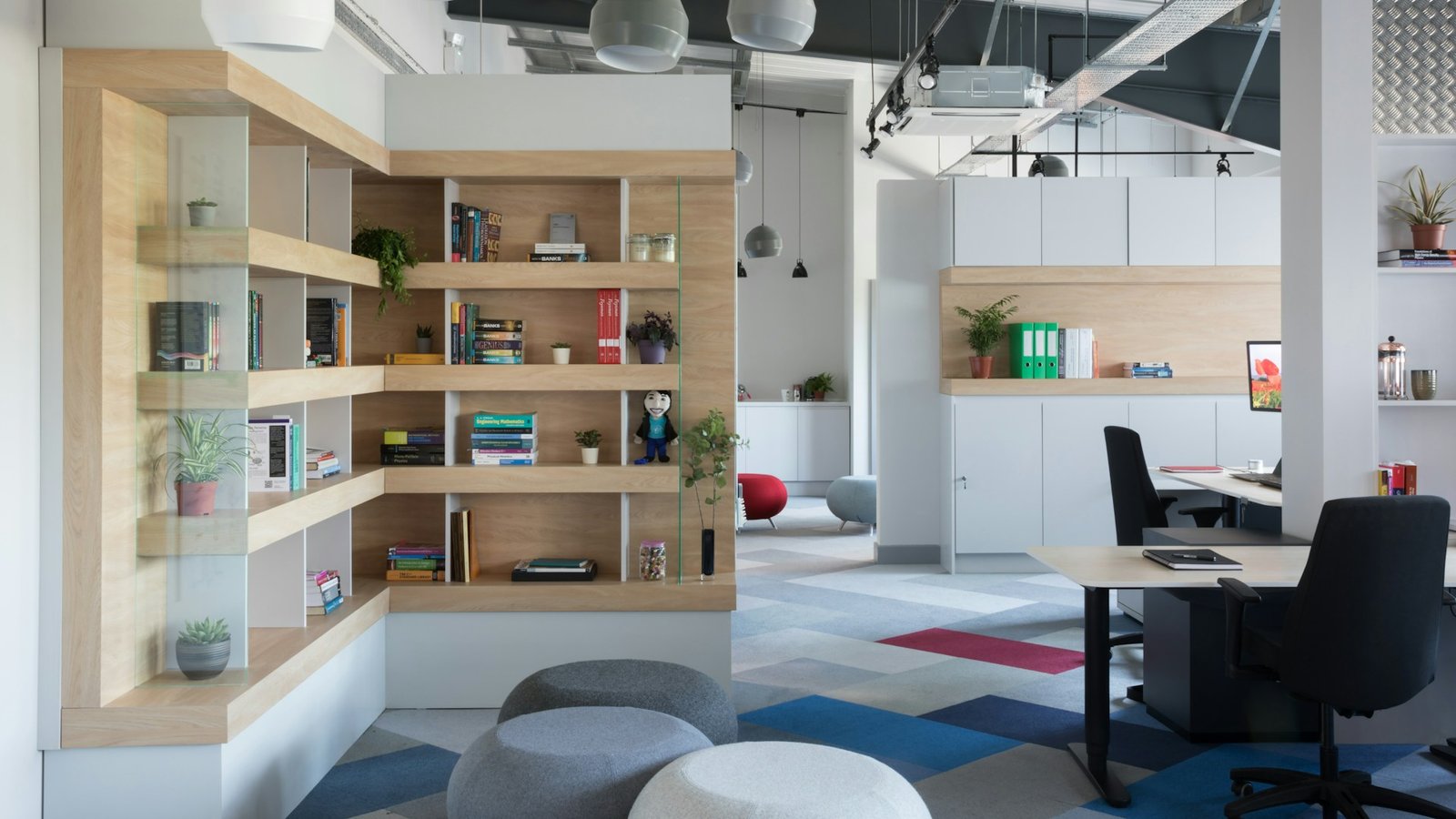
There’s a special kind of magic that happens when you step into a workspace that feels calm, grounded, and deeply in tune with your creative rhythms. Over the years, I’ve learned that the environment around me has just as much influence on my work as the tools I use. A cluttered or noisy space tends to make my mind feel scattered, while a quiet, thoughtfully curated corner seems to unlock my best ideas without forcing them. Creating a space that supports slow, intentional creativity has become an essential part of my routine as a maker.

The first change I made was embracing simplicity—true simplicity, not the Instagram version. I cleared out anything that didn’t serve a purpose, whether that purpose was functional or emotional. A workspace doesn’t have to be minimal, but I think it should feel breathable. When the surface of my desk has room for my hands, my tools, and my thoughts, everything flows more gently. I also realized that owning fewer supplies pushes me to use what I have in more inventive ways.

White wooden shelf with books and red ball
This is a caption

Natural elements now play a huge part in shaping the mood of my space. A small plant, a warm wooden tray, even the gentle texture of linen on my chair all make the room feel inviting. Soft, indirect lighting—like a warm lamp instead of a harsh overhead bulb—helps me ease into longer periods of focused work. Little rituals matter, too; lighting a candle or opening the window for a few minutes before starting helps me transition into a more mindful headspace.

Sound is another underrated element of workspace design. For me, certain types of quiet music—or sometimes nothing but the hum of my home—create a sense of stillness that encourages deeper concentration. Other creators thrive on background noise or bustling cafés. The key is paying attention to what genuinely helps you settle into your creative zone. Creating a playlist or a curated set of sounds for different parts of your workflow can make a surprisingly big difference.

Most importantly, I’ve learned to design my workspace around my energy, not trends. Some days I work best sitting at my desk, while on others, I find inspiration by sketching in a cozy corner or editing photos at the dining table. Instead of restricting my creativity to one spot, I’ve created multiple small “creative nests” around my home. It makes my process feel flexible, natural, and less pressured.

A slow, intentional workspace is not about perfection—it’s about creating an environment that feels nurturing, personal, and deeply aligned with the way you make things. When your space invites you to slow down and truly connect with your craft, creativity feels less like something you chase and more like something you return to.

Α group of three vases sitting on top of a table

If you’ve been craving a relaxing weekend activity that adds personality to your home, hand-painting terracotta pots is a wonderful place to start. Terracotta has such a warm, earthy charm on its own, but with a little paint, you can turn each pot into a tiny piece of art. Whether your style is minimal, whimsical, or floral and feminine, this project lets you explore without pressure—and the results are always delightful.

Begin by choosing a few terracotta pots in different sizes. Give each pot a quick wipe with a damp cloth to remove dust, and let them dry fully. Terracotta is porous, so I highly recommend applying a thin coat of primer before painting; it helps the colors look brighter and prevents the paint from soaking in unevenly. Once primed, your pots are ready for creativity.

Α group of three vases sitting on top of a table
This is a caption

Pick a color palette that makes you smile. Since your website uses modern pastels, imagine soft blush pinks, warm creams, gentle sage, and dusty lavender. Acrylic paint works beautifully for this project. Try stripes, arches, dots, florals, or abstract shapes—whatever feels natural. Don’t worry about perfection; handmade things are meant to have personality.

As you paint, think about how your patterns will look with the plants you plan to use. A leafy green fern paired with a clay pot featuring white polka dots? Adorable. A cascading pothos sitting in a creamy pot with hand-painted blush botanical lines? Pure joy. Try mixing simple designs with more intricate ones to create visual contrast when they’re grouped together.

Once your design is complete, let the paint dry fully, then seal the pot with a matte or satin finish to protect your design from moisture. This last step is essential if you’ll be watering plants while they’re in the pot. If you’re gifting your painted pots, a sealed finish also helps them feel more polished and professional.

In the end, what makes this craft so wonderful is its calm, meditative nature. There’s something grounding about sitting with a brush in hand, painting small and simple shapes. When you’re done, you’re left with something beautiful, useful, and uniquely yours—perfect for a shelf, windowsill, or cozy corner in your home.

Α lit candle with melting wax drips

Every home deserves a corner dedicated to slowing down. A reading nook isn’t just about books — it’s about creating a tiny sanctuary where you can unwind, reflect, and escape into another world. Whether you live in a small apartment or a spacious home, all you need is a comfortable chair, soft lighting, and a little imagination to make it your own.

Start with the right spot. Look for a quiet corner near a window if possible — natural light instantly makes the space feel calm and inviting. A soft armchair, a deep-cushioned bench, or even a few oversized floor pillows can become the foundation of your nook. What matters most is that it feels comfortable and personal to you.

Α lit candle with melting wax drips
This is a caption

Next, layer in warmth. Add a plush throw blanket, a few textured cushions, and a small rug underfoot. These small touches create that cocoon-like feeling we all crave during moments of rest. To bring in extra charm, place a small side table nearby for your coffee or tea — and don’t forget a candle or diffuser for a subtle, soothing scent.

Lighting plays a huge role in setting the mood. If your nook isn’t near a window, choose a lamp with a warm glow rather than harsh white light. A floor lamp with a linen shade or a clip-on reading light can work wonders. Dimmable bulbs are an easy way to control the atmosphere and make your space feel cozy at any time of day.

Finally, add a personal touch. Stack a few of your favorite books, frame a small photo, or bring in a potted plant for a hint of life and color. Your reading nook should reflect you — not perfection. It’s a space to recharge, dream, and find quiet joy in the simple pleasure of turning a page.