Welcome to WordPress. This is your first post. Edit or delete it, then start writing!
Featured
January 04, 2026
Welcome to WordPress. This is your first post. Edit or delete it, then start writing!
Read storyWelcome to WordPress. This is your first post. Edit or delete it, then start writing!
Read storyWelcome to WordPress. This is your first post. Edit or delete it, then start writing!
If you’re craving more creativity in your life, start by transforming the space where your ideas begin.
Read Article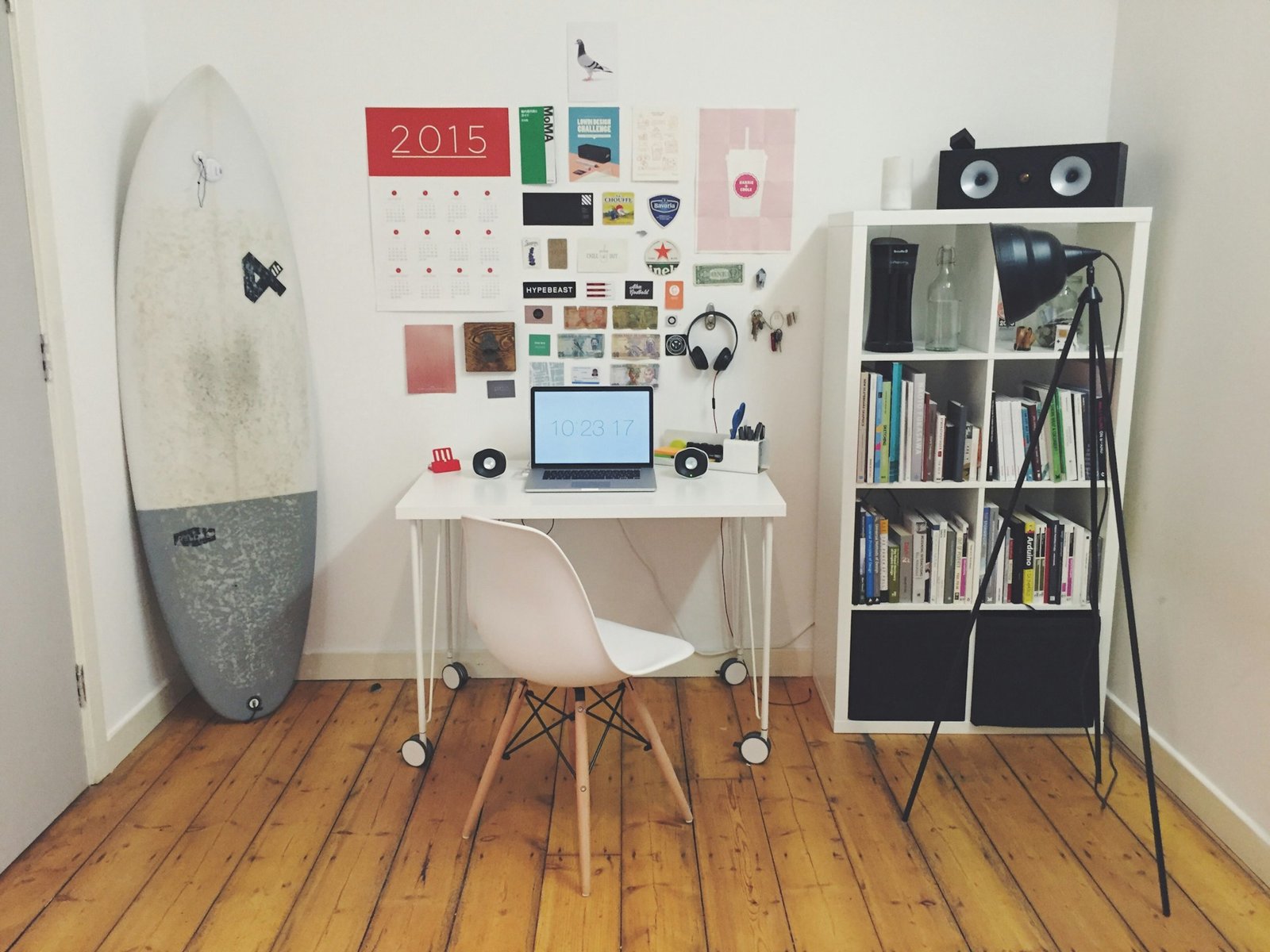
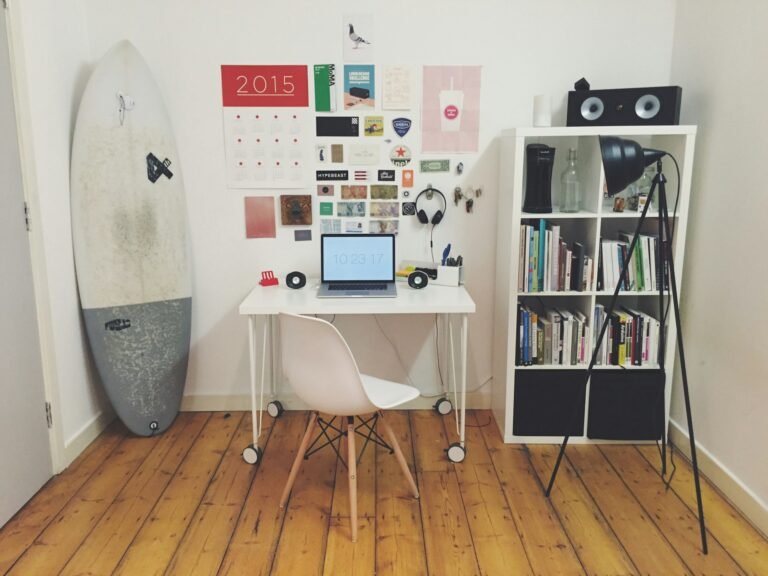
For years, my desk was purely functional — a surface for my laptop, a mug, and a rotating pile of notebooks. But lately, I’ve been craving a workspace that not only supports my tasks but genuinely inspires me to create. So I decided to transform my desk into a creativity-first environment, and the change has been remarkable.
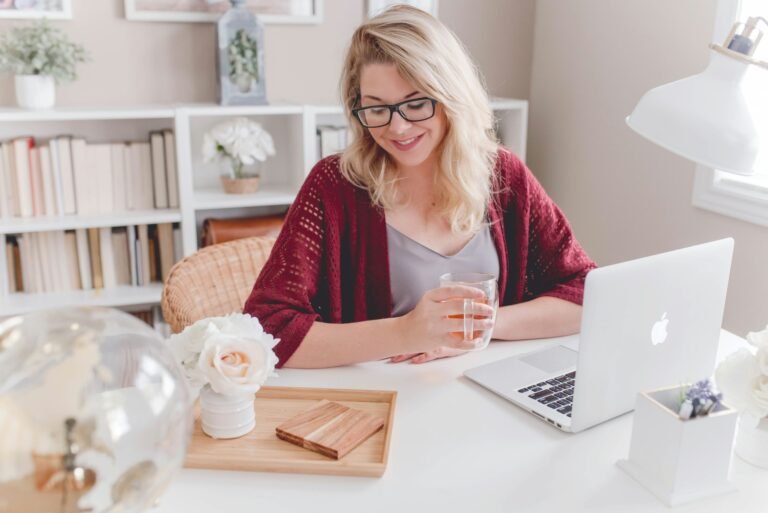
The first thing I did was clear visual clutter. I removed anything that didn’t serve a purpose or spark joy. The empty space alone made the area feel calmer, more inviting. Once I had a blank canvas, I started adding items intentionally: a small vase with dried flowers, a ceramic tray for my essentials, and a warm desk lamp that softened the mood instantly.
Next, I gave my tools a proper home. Instead of keeping pens, scissors, and markers scattered everywhere, I arranged them in little containers that matched my aesthetic. I even created a “project box” — a single spot where in-progress crafts live so they don’t drift into chaos across the desk.
One of the most impactful changes was adding inspiration boards. I made two versions: a cork board for physical elements like fabric swatches and printed quotes, and a magnetic board for quick mood-shifts depending on the project I’m working on. This keeps my creative energy flowing without overwhelming my eyesight.
Lighting also played a huge role. Natural light is ideal, but I added a soft LED light bar under my shelf to mimic daylight for late-night crafting. It keeps the room warm and peaceful instead of harsh and clinical.
Finally, I added personal touches: a favorite candle, a framed photo that makes me smile, and a few pieces of my own handmade art. Suddenly my desk wasn’t just a workstation; it became a sanctuary for imagination.
If you’re craving more creativity in your life, start by transforming the space where your ideas begin. When your workspace feels like a place of inspiration, your creativity follows effortlessly.
If you’re thinking of stepping into freelancing, know this: it’s a journey of growth, courage, and discovery.
Read Article
Starting my journey as a creative freelancer felt like stepping into both freedom and uncertainty at the same time. I had no idea what to expect — only that I wanted to build a work life that allowed space for creativity, flexibility, and meaning. Looking back on my first year, I’ve gained lessons that I wish someone had told me earlier.
One of the biggest surprises was how much of freelancing is emotional rather than logistical. Managing self-doubt, motivation, and imposter syndrome was just as important as managing invoices and deadlines. The emotional rollercoaster is real, but learning to handle it made me stronger and more confident.
I also learned that boundaries are non-negotiable. Early on, I said yes to everything, thinking it would help me grow faster. Instead, it nearly burned me out. Now, I choose projects that align with my values and creative strengths — and the quality of my work (and my life!) is infinitely better.
Organizing my schedule became another essential habit. I started using themed workdays: one day for admin, one for creative work, one for planning, etc. This removed the constant mental switching that used to drain my energy. It helped me work faster while still feeling grounded.
Networking also proved far less intimidating than I expected. Instead of treating connections like transactions, I approached them like friendships. A simple conversation on social media, a friendly reply to an email, or thanking someone for their work led to opportunities I never anticipated.
But my favorite lesson was this: freelancing gives you permission to build a life that reflects who you are. You’re allowed to rest, to dream, to pivot, to fail, and to try again. Your work becomes an extension of your creativity, not a cage that restricts it.
If you’re thinking of stepping into freelancing, know this: it’s a journey of growth, courage, and discovery. And the first year might just teach you more about yourself than any job ever could.
Creating a routine isn’t about rigid rules — it’s about building gentle rhythms that support your creativity.
Read Article
Finding the right routine as a freelancer can feel impossible at first. Without a traditional workplace structuring your day, it’s easy to drift between tasks or fall into irregular working patterns. But creating a routine isn’t about rigid rules — it’s about building gentle rhythms that support your creativity. When your workflow feels natural rather than forced, your output becomes more consistent and far more satisfying.
The first step is identifying your natural creative windows. Some freelancers do their best thinking at sunrise, while others feel most productive at night when the world quiets down. Spend a week tracking when you feel most alert, most tired, and most capable of deep focus. You might be surprised by the patterns that emerge. Use that data to anchor your most demanding tasks at the times you naturally flourish.
Another cornerstone of a successful routine is batching similar types of work. Instead of bouncing between emails, content creation, admin tasks, and client communication, try grouping tasks by energy level. If you schedule all communication at one time, for example, you’re less likely to get derailed during a creative sprint. Your brain thrives on consistency, and batching helps minimize decision fatigue.
Don’t forget to incorporate movement breaks. Freelancers often underestimate how much physical posture affects mental clarity. A ten-minute stretch session, a short walk outside, or even gentle desk yoga can completely reset your mood. These small pauses keep burnout at bay while boosting creativity and problem-solving abilities.
Finally, give yourself permission to adjust your routine regularly. Freelancing evolves — seasons change, workloads shift, and personal circumstances fluctuate. Think of your routine as a living system rather than something fixed. When you accept that it will grow with you, maintaining it becomes far easier and far more enjoyable.
A sustainable routine is one that supports both your work and your well-being. When you honor your natural rhythms and build gentle structure around them, freelancing feels less chaotic and far more empowering.
If you’ve been feeling drained, overwhelmed, or stuck creatively, try slowing down. Let your inspiration come from presence, not pressure.
Read Article
For most of my life, I believed creativity thrived in busy seasons — the “hustle mode,” the late-night bursts of energy, the long to-do lists that kept me always in motion. But over the past year, I’ve shifted into a slower, more intentional lifestyle, and the impact on my creativity has surprised me in the most meaningful ways.
Slow living began with tiny changes: putting my phone in another room, brewing tea without multitasking, and allowing myself quiet mornings instead of rushing straight into tasks. At first, it felt unproductive — like I was giving up precious time. But slowly, I realized I wasn’t losing time at all. I was reclaiming it.

As the pace eased, ideas began to flow more naturally. I started noticing things I had overlooked: the way sunlight hits my notebook, the sound of leaves outside my window, the softness of fabrics as I work on a project. These small sensory details became creative sparks that I never would’ve noticed before.
I also started journaling again — not the structured kind, but simple, honest reflections. Writing about my thoughts helped me understand what inspires me and what drains me. It made me more intentional with the projects I chose and helped me reconnect with the reasons I started creating in the first place.
Another surprising shift was how slow living improved my emotional well-being. When creativity isn’t rushed, it feels less like a performance and more like an expression. I became kinder to myself, less focused on results, and more attuned to the process. And because of that, I’ve produced some of my most meaningful work this year.
If you’ve been feeling drained, overwhelmed, or stuck creatively, try slowing down. Let your inspiration come from presence, not pressure. Creativity doesn’t always need intensity — sometimes it just needs room to breathe.
If you’ve been craving more softness in your daily routine, try giving yourself permission to slow down.
Read Article
There was a time when I believed productivity only counted if it was fast, structured, and perfectly efficient. I rushed through mornings like they were a hurdle to jump, not a moment to savor. But over the last year, I’ve been learning that slow mornings offer a kind of clarity that no planner or routine ever did. When I stopped racing the clock, I started noticing the small pleasures that had always been there—warm light on the kitchen tiles, the soft hum of a kettle, and the calm that comes before the noise of the day.
This shift didn’t happen overnight. It began with small experiments: drinking tea without a podcast in the background, stretching for five minutes before reaching for my phone, or simply sitting by the window and watching the sun rise. These are ordinary moments, yet they transformed the tone of my day more than any rigid productivity hack ever has.

I started valuing mornings not for how much I could get done, but for how connected I felt to myself. There’s a gentle sort of magic in allowing yourself to wake slowly, in giving your mind the chance to wander before jumping into tasks. It’s a reminder that we’re human—meant to feel, breathe, and ease into things.
Of course, not every morning is peaceful. Some days I oversleep or rush out the door with mismatched socks and a messy bun. But even then, I try to find a small anchor—a quick breath, a moment of intention—something that brings me back to center. It doesn’t have to be perfect; it just has to be present.
If you’ve been craving more softness in your daily routine, try giving yourself permission to slow down. It doesn’t require a whole lifestyle change—just a willingness to make space for stillness. Even five minutes can shift everything.
Slow mornings taught me that inspiration doesn’t always arrive loudly. Sometimes it whispers, quietly inviting you to begin again with gentleness.
If you’ve been collecting scraps, consider making your own zero-waste wall hanging.
Read Article
There’s something incredibly satisfying about giving forgotten materials a second life, especially when they transform into something unexpectedly beautiful. This week, I challenged myself to create a zero-waste crafting project using only scraps from previous DIYs — leftover fabric strips, tiny yarn pieces, paper cuttings, and even old packaging. What I ended up creating was a charming patchwork wall hanging that now brings so much warmth to my workspace.
Before starting, I spread everything out on my desk and let the colors lead the way. It’s crazy how even the smallest items — a frayed ribbon, a button the size of a coin — begin to feel full of potential when you pair them with the right textures. My rule was simple: no buying new materials. The goal wasn’t perfection but playfulness.

I began by selecting a neutral backing fabric. Then I stitched and glued layers of scraps together, almost like painting with texture. Little by little, it started to look less like a pile of leftovers and more like a story. Each piece reminded me of previous projects — a pillowcase I made last fall, a journal cover I gifted to a friend, the skirt I never finished but loved anyway.
The beauty of zero-waste crafting is that it invites experimentation. There’s no pressure to follow a tutorial or match someone else’s aesthetic. You can bend the rules, make mistakes, and discover new styles you didn’t know you had in you. And because these projects feel more personal, they tend to add a sense of authenticity to your space.
Once finished, I attached a simple wooden dowel and hung the piece above my desk. The colors, shapes, and uneven edges make me smile every time I see it. It’s a textured reminder that creativity doesn’t need perfect conditions — just intention and a willingness to play.
If you’ve been collecting scraps (or accidentally hoarding them like I do), consider making your own zero-waste wall hanging. It’s affordable, sustainable, and genuinely therapeutic. And who knows? The next time you look at your leftover crafting pile, you might see a masterpiece waiting to happen.
As creators, our workspaces absorb our energy—the busier our days get, the more clutter and chaos tend to accumulate.
Read Article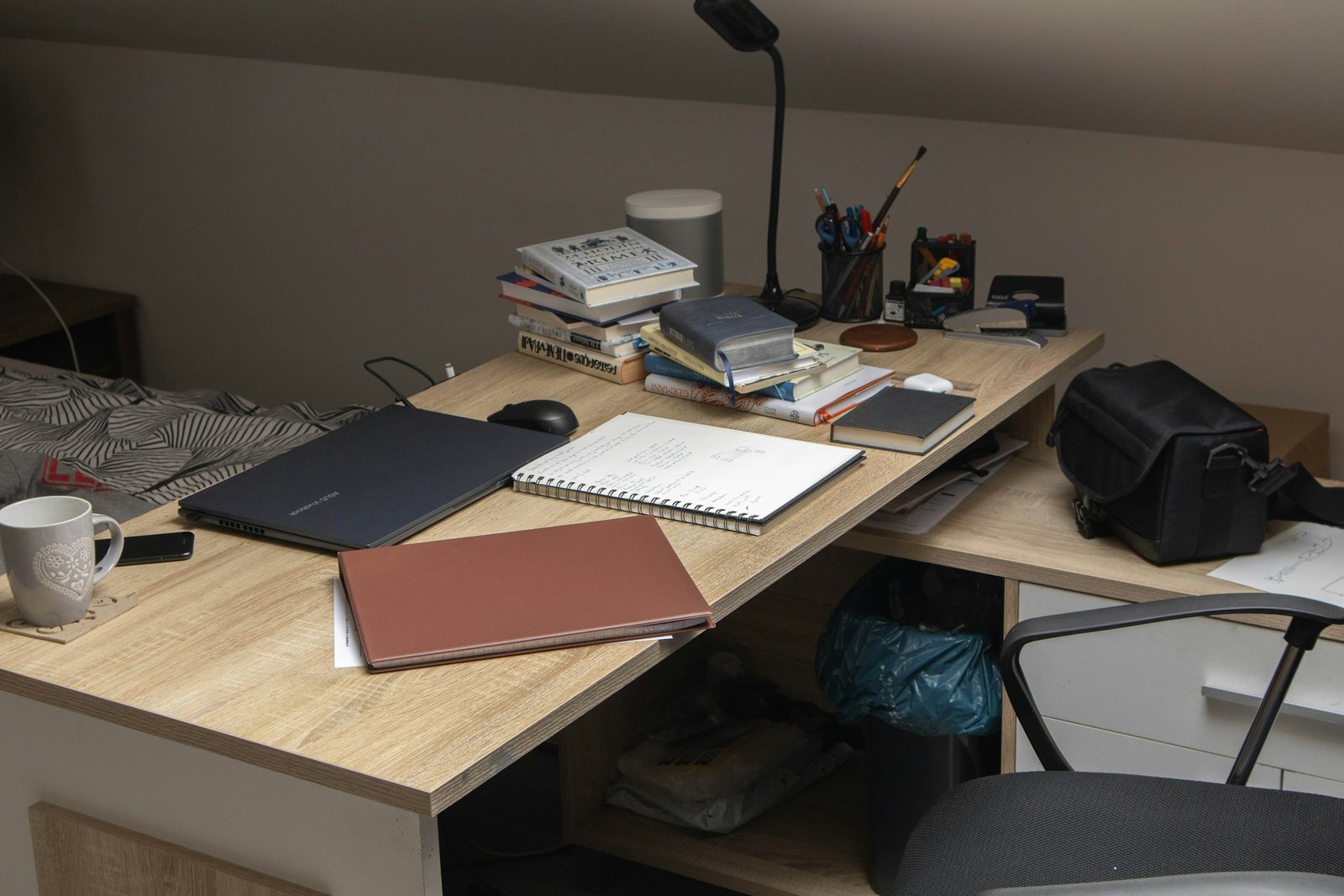
As creators, our workspaces absorb our energy—the busier our days get, the more clutter and chaos tend to accumulate. One of the most effective ways to maintain a creative flow is to practice a weekly workspace reset ritual. Not only does this keep your area functional, but it also helps you reconnect with your intentions for the week ahead.
Start your ritual by clearing your desk entirely. Remove everything: tools, notebooks, wires, empty cups, and loose papers. As the surface empties, you’ll notice your mind feeling lighter as well. Wipe the area down with a gentle cleaner or dusting cloth to give your workspace a soft, fresh beginning.
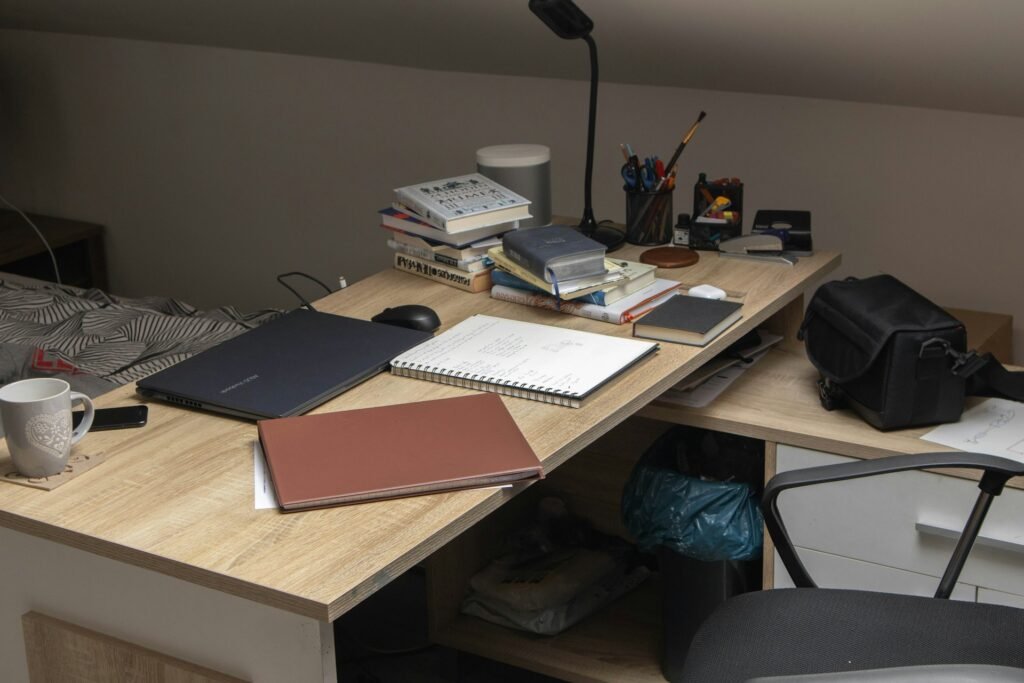
Next, organize intentionally. Sort your tools and supplies into categories: what you use daily, weekly, occasionally, or rarely. Store only your most frequently used items within arm’s reach. Everything else can go in drawers or neatly labeled containers. This step alone can dramatically improve how smoothly you transition into creative sessions.
This is also the perfect time to rearrange your inspiration board or mood wall. Update it with new color palettes, textures, photos, sketches, or quotes that align with your current projects. Inspiration changes with the seasons, and your creative prompts should evolve too.
Once everything is in order, add something sensory. Light a candle, diffuse essential oils, or place a fresh flower in a small vase. Engaging your senses can transform work into a soothing ritual, especially if you pair it with soft background music or nature sounds.
To close your reset, sit down with your planner and set a creative intention for the upcoming week. It could be as simple as “show up consistently,” “experiment without pressure,” or “finish one meaningful piece.” Your workspace is ready—and so are you.
Setting boundaries is one of the hardest lessons for freelancers to learn, especially when your income depends on maintaining good client relationships.
Read Article
Setting boundaries is one of the hardest lessons for freelancers to learn, especially when your income depends on maintaining good client relationships. The urge to be endlessly available can be strong, but it’s also a fast track to burnout. The truth is, clear boundaries don’t make you difficult — they make you professional. Clients appreciate clarity far more than vague availability.
Start by defining your personal “non-negotiables.” These might include weekends off, a dedicated evening cutoff time, or a rule that all communication stays within specific hours. Once you know what’s important to you, it becomes easier to communicate it confidently. A boundary is far easier to honor when it’s tied to your well-being rather than arbitrary rules.

Writing a friendly but firm availability statement is a great way to set expectations. This can go in your onboarding documents, your email signature, or your project proposals. When clients know upfront when you’re reachable, misunderstandings and pressure fade. It also makes it easier to say “no” later, because you already stated your terms from day one.
Another essential boundary involves communication platforms. Freelancers often get messages scattered across email, WhatsApp, Messenger, Instagram, and even voice notes. Choose one official channel and gently guide clients toward it. This small shift eliminates a surprising amount of stress — and it keeps important messages from getting lost.
Of course, maintaining boundaries requires practice. There will be moments when you’re tempted to break them to “look good” or avoid conflict. But remember: clients don’t hire you for instant replies; they hire you for quality work. Protecting your time and focus ultimately benefits them too.
When you create boundaries rooted in kindness and confidence, your business becomes more sustainable — and your clients gain a clearer, more consistent partner. Boundaries aren’t barriers; they’re bridges toward healthier, happier freelancing.
If you’ve been feeling blocked or uninspired, try starting your own “imperfect notebook.” No expectations, no rules. Just a safe place for thoughts to land.
Read Article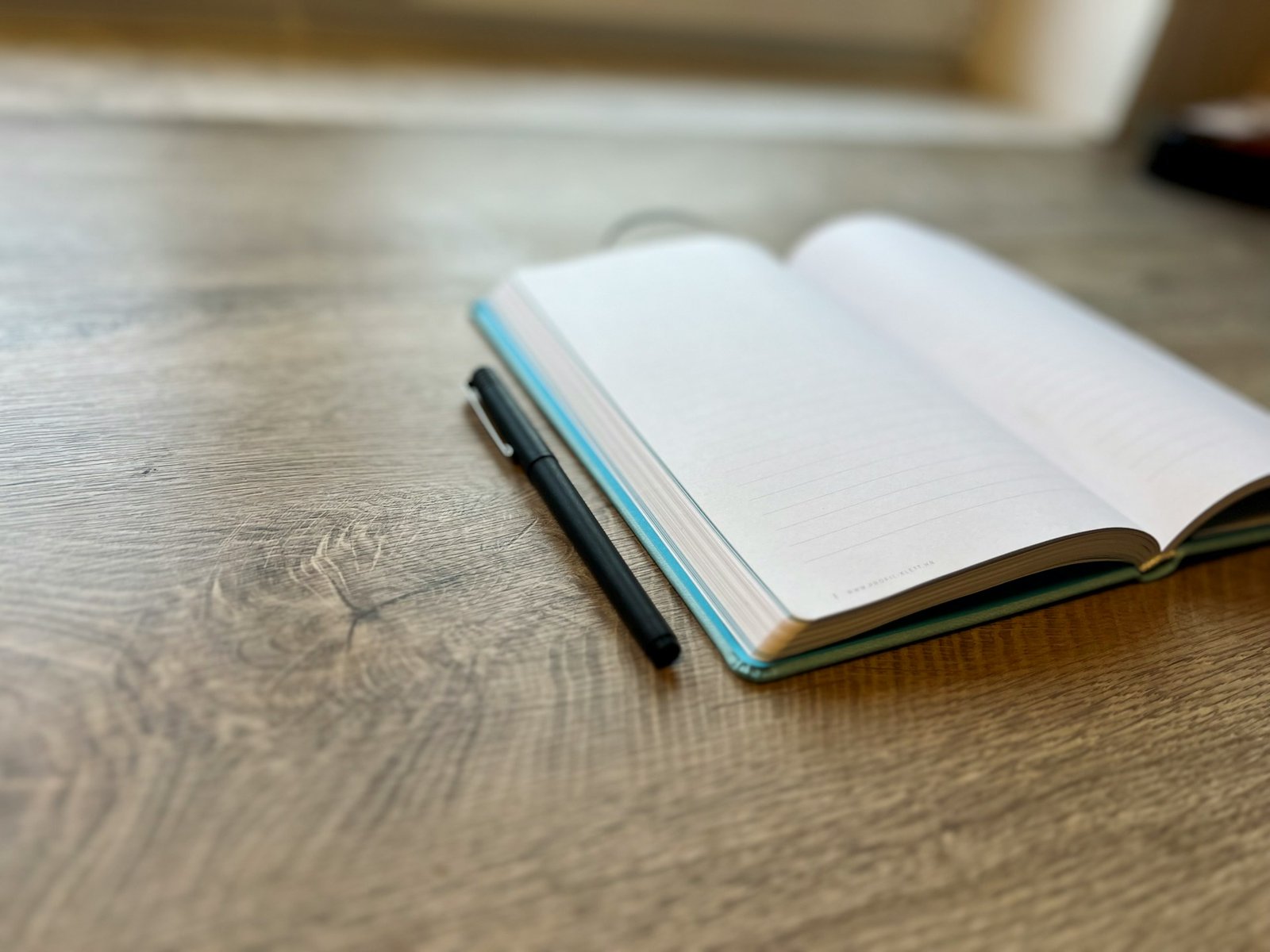
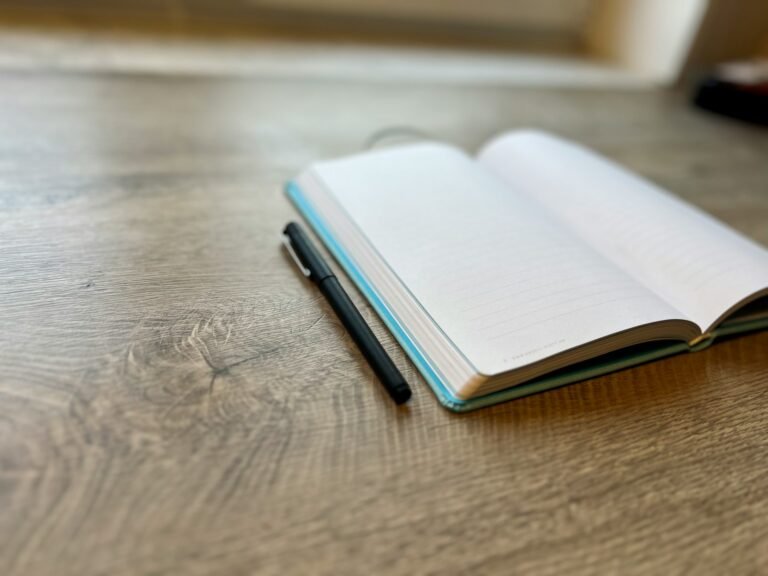
Last year, during a season when I felt creatively stuck, I bought a simple, unassuming notebook. Nothing fancy—just a soft beige cover and thick, slightly textured pages. I didn’t realize then how important it would become. At first, I wasn’t even sure what to write in it. My perfectionism kept whispering that each page needed to be meaningful, polished, or Instagram-ready. But something urged me to begin anyway.
I started by writing one sentence each day—just one. Some days it was a thought I couldn’t shake, a line from a dream, or even a worry. Other days it was a small victory: “I painted for 10 minutes today,” or “I went for a walk and noticed a blue door I’d never seen.” That little notebook became a container for everything I felt, thought, or wished for.

Over time, my entries grew. That one sentence became three, then five, then entire pages of ideas, sketches, and reflections. I realized I had created a space where creativity didn’t have to be good—it only had to be honest. And that small shift changed everything. The pressure lifted, and playfulness returned. I felt like myself again.
This notebook became my refuge when projects felt overwhelming. It grounded me when doubt crept in. Most importantly, it reminded me that creativity begins with showing up—not with perfection. Some pages are messy, others are beautifully written. But all of them matter, because they’re pieces of my story.
If you’ve been feeling blocked or uninspired, try starting your own “imperfect notebook.” No expectations, no rules. Just a safe place for thoughts to land. You might be surprised by how much inspiration hides in simplicity.
Sometimes, all you need is a blank page and permission to be imperfect.